



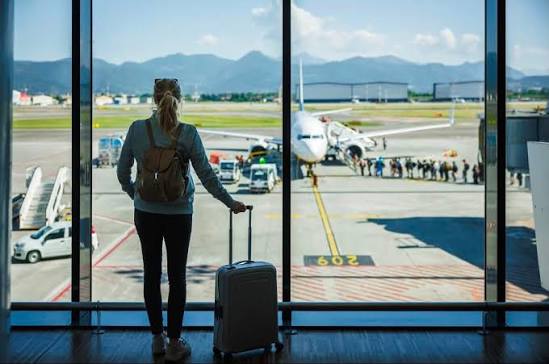
Travel tips for first-flyers can make your first experience in the air much easier, especially if you are unfamiliar with airports, check-in procedures, security checks, or boarding. Flying for the first time can feel exciting and slightly stressful at the same time. However, with a little preparation, you can avoid many common mistakes and enjoy your journey.
Whether you are flying for a vacation, business trip, family visit, or international adventure, knowing what to expect will help you feel more confident. If you are planning a European vacation, you can also explore this guide to best places to visit in Europe in 2026 for destination ideas. From preparing your documents to collecting your luggage after landing, every stage becomes simpler when you know what to do.
1. Check Your Travel Documents Early
One of the most important travel tips for first-flyers is to check your documents before the day of your flight.
For international travel, you may need a valid passport, visa, travel insurance, flight confirmation, and other destination-specific documents. Check the entry requirements for your destination several days or weeks before traveling.
Make sure the name on your airline ticket matches your passport or other identification document. A spelling mistake can sometimes create unnecessary problems at the airport.
You should also save digital copies of your passport, visa, hotel booking, and flight details on your phone. Keep the original documents in a secure place in your carry-on bag.
2. Arrive at the Airport Early
First-time flyers should avoid arriving at the airport at the last minute. Airports can be busy and confusing, particularly if you have never traveled by air before.
For an international flight, arriving around three hours before departure is often a sensible approach. Domestic flights may require less time, but you should still arrive early enough to complete check-in, baggage drop-off, security, and boarding.
Arriving early gives you time to deal with unexpected issues. You might need to find a particular counter, correct a booking detail, or wait in a long security line.
Why Early Arrival Matters
The main benefit is peace of mind. Instead of rushing from one area to another, you can complete each step calmly.
The downside is that you may have to spend more time waiting at the airport. However, for a first-time traveler, extra waiting is usually better than the stress of arriving too late.
3. Pack According to Airline Rules
Before packing your suitcase, check your airline’s baggage allowance. Weight and size restrictions can differ between airlines, routes, and ticket types.
Keep valuable and essential belongings in your carry-on luggage. Your passport, wallet, medications, phone, important documents, and valuable electronics should remain with you instead of being placed in checked baggage.
You should also avoid overpacking. A heavy suitcase can make moving around the airport difficult, especially when you have connecting flights.
Organize Your Carry-On Bag
Keep items that you may need during the flight somewhere easy to reach. Headphones, a phone charger, tissues, travel documents, and other small essentials should not be buried under clothes.
For detailed guidance on baggage allowances and restrictions, check the IATA passenger baggage rules before your journey. IATA notes that baggage allowances and conditions can vary by airline, so you should also confirm the specific rules with your carrier.
4. Complete Online Check-In
Many airlines offer online check-in before your flight. If available, completing this process can save time at the airport.
Online check-in may allow you to confirm your seat and receive a digital boarding pass. However, some passengers still need to visit an airline counter, particularly when traveling internationally or checking luggage.
Keep your boarding pass available on your phone and, if possible, have a backup copy. A low phone battery should not leave you unable to access essential travel information.
5. Understand Airport Security
Security screening can seem complicated to first-time passengers, but it becomes much easier when you are prepared.
Follow the instructions provided by airport security staff. You may need to place your carry-on bag, electronic devices, jacket, or other permitted belongings in separate trays.
Before reaching security, organize your belongings so you can remove anything that needs additional screening without searching through your entire bag.
Pay attention to restrictions involving liquids, batteries, sharp objects, and other items. Rules can differ between airports and countries, so checking the requirements before your flight is a smart idea.
6. Find Your Boarding Gate
After passing through security, check the airport information screens for your flight number and boarding gate.
Do not assume the gate will remain the same throughout your time at the airport. Gates can change, so check the screens regularly and listen carefully for announcements.
Once you find your gate, stay nearby when boarding time approaches.
Keep Your Boarding Pass Ready
Your boarding pass may be checked before you enter the aircraft. Keep it somewhere easy to access rather than putting it deep inside your bag.
If you are traveling with family or friends, make sure everyone knows the correct gate and boarding time.
7. Know What Happens When You Board
When you enter the aircraft, check your boarding pass for your seat number. If you have a cabin bag, follow the crew’s instructions about storing it in the overhead compartment or under the seat in front of you.
Once seated, fasten your seat belt and listen to the safety demonstration. Even if you have watched a similar demonstration online, pay attention because aircraft layouts and emergency procedures can vary.
It is normal to feel nervous during takeoff, especially on your first flight. Try to relax, breathe normally, and follow the instructions of the cabin crew.
8. Prepare for Ear Pressure
Many first-time flyers notice pressure or a blocked feeling in their ears during takeoff and landing.
This happens because the air pressure changes as the aircraft climbs and descends. Swallowing, yawning, or chewing gum may help your ears adjust.
If you are traveling with children, prepare them for this possibility so they do not become worried when they notice the sensation.
9. Make the Flight Comfortable
Your comfort can make a big difference, particularly if you are taking a long flight.
Wear comfortable clothing and consider bringing headphones, entertainment, a neck pillow, or reading material. Download movies, music, podcasts, or books before boarding if you expect limited internet access.
Keep your essential items within easy reach. You should not need to repeatedly open your overhead luggage during the flight.
It is also important to follow cabin crew instructions and keep your seat belt fastened whenever required.
For additional passenger safety guidance, you can read the IATA’s official safe journey guidance, which includes advice about seat belts, carry-on baggage, lithium batteries, and safe behavior onboard.
10. Understand the Positive and Negative Side of Flying
Flying has transformed the way people travel. Its biggest positive impact is speed. You can travel between countries and continents in hours instead of spending days or weeks on other forms of transportation.
Air travel also creates opportunities to explore new cultures, visit family, attend business events, and discover destinations that would otherwise be difficult to reach.
However, flying has some disadvantages too. Airport delays, crowded terminals, uncomfortable seats, jet lag, and travel anxiety can make the experience challenging. Air travel also contributes to environmental emissions.
Understanding both the benefits and drawbacks helps first-time travelers have realistic expectations. Your flight may not be perfect, but good preparation can make it much easier.
11. Ask for Help When You Need It
You do not need to know everything before your first flight.
If you cannot find your gate, do not understand an airport sign, or are unsure where to drop your luggage, ask an airport or airline employee.
Simple questions such as “Where is Gate 15?” or “Where can I check in?” are completely normal.
Airport employees regularly assist passengers who are unfamiliar with the airport. Asking for help is much better than guessing and potentially going to the wrong place.
12. Plan Your Destination Before Landing
Your journey does not end when the plane lands. Before departure, make a basic plan for what you will do after arriving.
Know the address of your hotel or accommodation and decide how you will travel from the airport. Depending on your destination, you may use public transportation, an airport shuttle, a taxi, or a pre-booked transfer.
If you are traveling for a vacation, researching your destination beforehand can also make your trip more enjoyable. For example, if Europe is on your itinerary, you can explore this guide to best places to visit in Europe in 2026 to get ideas for planning your trip.
Having a basic arrival plan means you will not have to make every decision while tired after a flight.
13. Know What to Do After Landing
Once the aircraft lands, remain seated until the crew gives permission to leave.
Follow the airport signs toward baggage claim, immigration, customs, or the exit. International passengers will normally need to go through immigration before collecting or completing other arrival procedures, depending on the airport.
If you have checked luggage, look at the airport screens to find the correct baggage carousel. Before leaving the baggage area, check the luggage tag to make sure you have picked up the correct suitcase.
If your checked bag does not arrive, report it to the airline’s baggage service area before leaving the airport.
14. Stay Calm and Enjoy Your First Flight
Perhaps the most useful advice for first-time flyers is to stay calm. You may feel nervous, take a wrong turn, or become confused by airport signs. These things can happen, and they do not mean you are doing something wrong.
Give yourself plenty of time, follow the signs, listen to announcements, and ask questions when necessary.
After completing your first flight, you will probably find that the process is much easier than you expected. The experience will also make your future trips more comfortable.
Conclusion
Flying for the first time can feel stressful, but proper preparation can make the experience much easier. Follow these travel tips for first-flyers by checking your documents, packing carefully, arriving early, and keeping your boarding information ready. Stay calm, follow airport instructions, and do not hesitate to ask for help when needed. With a little planning, you can enjoy a smooth first flight and feel more confident about your future travel adventures.