



Breaking AC News is important for anyone who uses an air conditioner at home, in an office, or in a commercial space. Changes in energy-efficiency standards, cooling technology, refrigerants, product safety, and maintenance practices can affect your electricity bills, indoor comfort, and equipment’s lifespan.
Air conditioners are no longer judged only by how quickly they cool a room. Buyers now need to consider energy consumption, installation quality, smart features, maintenance costs, and environmental impact. Understanding these factors can help you avoid expensive mistakes and make better decisions.
Whether you are planning to purchase a new unit or want to improve the performance of your existing system, these 12 important facts will help you understand the developments that matter to AC users.
What Does Breaking AC News Mean for Everyday Users?
Breaking AC news covers important developments in the air-conditioning industry. These may include new cooling technologies, energy-efficiency regulations, product recalls, refrigerant changes, smart controls, and practical maintenance recommendations.
Some updates are mainly useful for manufacturers and technicians, while others directly affect consumers. For example, an updated energy label can help buyers compare products, whereas a safety recall may require an owner to stop using a particular model.
Following reliable information is more useful than believing every dramatic headline about air conditioners. The goal is to understand what has changed, why it matters, and what action you should take.
Breaking AC News: 12 Critical Facts Every AC User Should Know
1. Pakistan’s Energy Labels Help Buyers Compare AC Efficiency
One important development for Pakistani consumers is the energy-label system introduced by the National Energy Efficiency and Conservation Authority (NEECA). It helps buyers understand how efficiently an air conditioner uses electricity.
The Pakistan Energy Label Regulations cover non-ducted wall-mounted split room air conditioners with cooling capacities up to 10.5 kW. The label includes information such as cooling capacity, annual electricity consumption, compressor type, refrigerant details, and the star rating.
A higher star rating indicates better energy efficiency under the applicable testing requirements. However, buyers should still compare the cooling capacity and other specifications before making a decision.
Before purchasing a new unit, check the label and review the official NEECA information about Pakistan’s air-conditioner energy-label regulations. This is particularly useful when comparing models with similar cooling capacities.
2. Energy-Efficient ACs Can Help Reduce Electricity Consumption
Air conditioning can contribute significantly to household electricity use, especially during hot weather when units operate for several hours each day.
An energy-efficient model can help reduce electricity consumption compared with a less efficient model offering similar cooling performance. However, the actual difference depends on the unit, room conditions, temperature settings, and daily usage.
You should also consider the total cost of ownership rather than looking only at the purchase price. A slightly more expensive efficient model may offer better long-term value if it uses less electricity over time.
Keep doors and windows closed while cooling, use curtains to reduce direct sunlight, and avoid setting the thermostat unnecessarily low. These simple habits can support better energy management.
3. Inverter Technology Offers More Flexible Cooling
Inverter technology is one of the major developments in modern air conditioning. Instead of relying only on repeated full-speed compressor operation, an inverter system can adjust compressor speed according to the cooling demand.
This allows the unit to maintain a more consistent indoor temperature under suitable conditions. It can also reduce unnecessary compressor cycling, which may improve energy performance.
However, not every inverter AC delivers the same results. Efficiency depends on the model’s design, room size, installation, outdoor temperature, and operating habits.
Before buying one, compare its energy rating, warranty, service availability, and replacement-part costs. A good purchasing decision should consider the complete package rather than the inverter label alone.
4. Refrigerant Changes Are Influencing AC Design
Refrigerants are essential substances that allow an air conditioner to transfer heat from indoors to outdoors. Different refrigerants have different environmental and safety characteristics.
The industry has been moving toward refrigerants with lower environmental impact in many applications. R-32 and R-410A are examples found in air-conditioning equipment, but they have different properties and safety classifications.
This is why refrigerants should never be treated as interchangeable. An AC designed for one refrigerant must not be filled with another simply because it appears to offer similar cooling performance.
Always follow the manufacturer’s specifications and use a qualified technician for refrigerant-related work. Incorrect handling can damage equipment and create avoidable safety risks.
5. Product Recalls Show Why AC Safety Matters
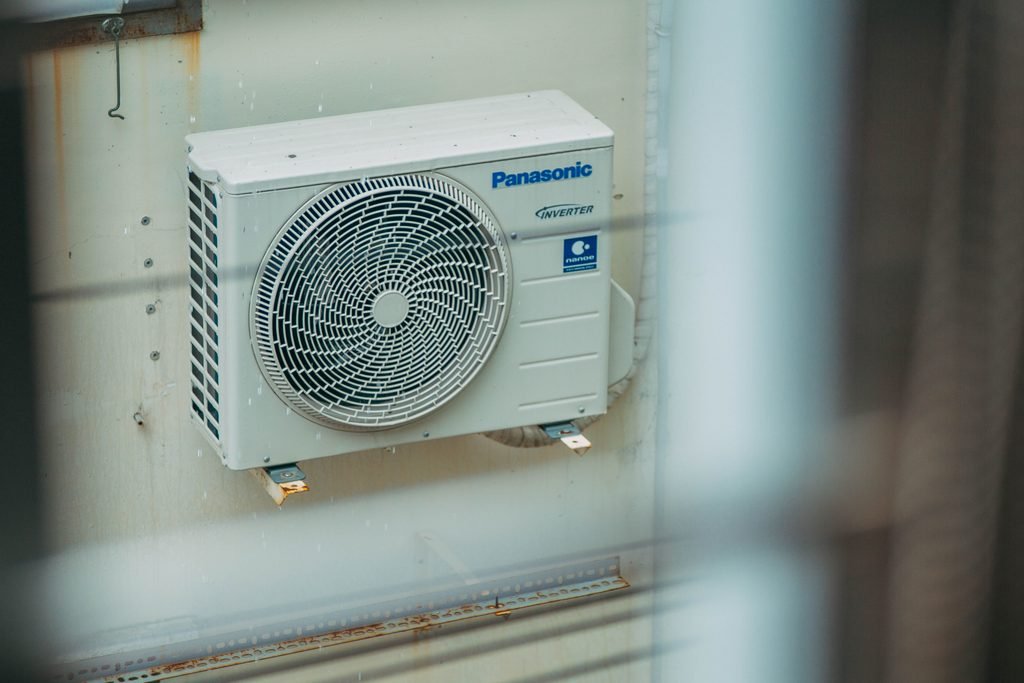
Product safety is another important subject in breaking AC news. Occasionally, manufacturers or consumer-protection authorities announce recalls when a specific product has a defect that could create a safety risk.
An affected air conditioner might have an electrical, control-board, wiring, or component problem. A recall does not automatically mean every unit from that manufacturer is unsafe. It usually applies to particular models or serial-number ranges.
If you see a recall announcement, locate your unit’s model and serial number and compare them with the details in the official notice. Follow the manufacturer’s instructions if your equipment is affected.
Never ignore burning smells, sparks, unusual overheating, or repeated electrical shutdowns. Switch off the equipment safely and arrange a professional inspection.
6. Correct Installation Is Essential for Good Performance
Even an expensive air conditioner may fail to deliver comfortable cooling if it is installed incorrectly. Poor installation can affect airflow, drainage, electrical safety, and overall system performance.
The indoor unit should have enough space for air circulation. The outdoor unit also needs suitable ventilation so that it can release heat effectively.
The installer should follow the manufacturer’s requirements for piping, drainage, electrical connections, and refrigerant handling. Avoid choosing an installer based only on the lowest service charge.
Proper installation can help reduce avoidable faults and support reliable operation throughout the cooling season.
7. Dirty Filters Can Affect Airflow and Cooling
Air filters collect dust and airborne particles as the air conditioner circulates indoor air. Over time, accumulated dirt can restrict airflow and make the system work harder.
A clogged filter may contribute to weak cooling, longer operating periods, and reduced comfort. It can also affect the way air moves through the room.
Check your filter regularly and clean or replace it according to the manufacturer’s instructions. The required frequency depends on the model, operating hours, and indoor dust levels.
Homes near construction sites or busy roads may need more frequent filter checks. Remember that cleaning the filter is basic maintenance, not a replacement for professional servicing.
8. Smart AC Features Are Making Cooling More Convenient
Many modern air conditioners offer Wi-Fi connectivity, smartphone controls, scheduling, sleep modes, and other convenience features.
These functions can help users manage cooling more easily. For example, a timer can prevent unnecessary operation, while remote access may allow someone to adjust the temperature before reaching home.
Some models also provide usage information that can help owners understand their cooling habits. However, smart features do not automatically make an AC energy-efficient.
When comparing products, prioritize cooling performance, efficiency, warranty, and local repair support. Treat app controls and extra features as useful additions rather than the main reason to purchase a unit.
9. Choosing the Right AC Capacity Is More Important Than Many Buyers Think
Air-conditioner capacity should match the room’s cooling requirements. A unit that is too small may struggle to cool the space, while an oversized unit may cool it too quickly without managing humidity effectively.
Room size is important, but it is not the only factor. Ceiling height, sunlight, window size, insulation, the number of occupants, and heat-producing appliances can all influence the required capacity.
For this reason, avoid choosing an AC based only on a neighbour’s recommendation or a simple room-size estimate. Ask a qualified professional to assess the space if you are unsure.
Correct sizing can support comfortable cooling and help prevent unnecessary energy use.
10. Extreme Heat Can Put Additional Pressure on AC Systems
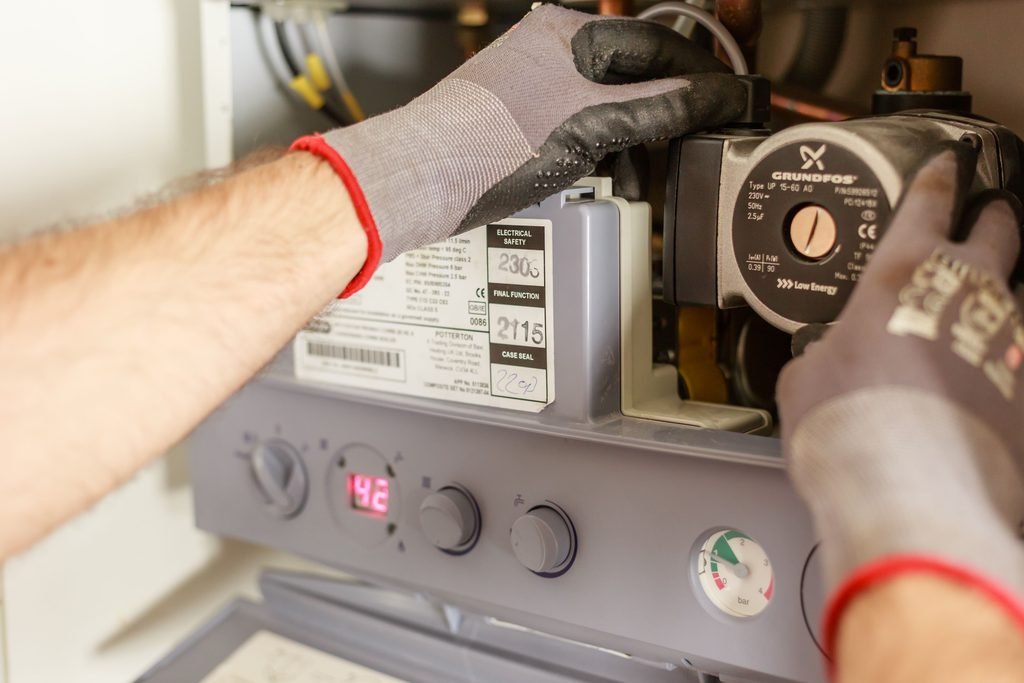
During extremely hot weather, an air conditioner may take longer to cool a room. The outdoor temperature, direct sunlight, poor insulation, and restricted airflow can all affect its performance.
You can make cooling easier by closing doors and windows, using curtains during the hottest hours, and keeping air outlets clear.
Also check that the outdoor unit is not surrounded by objects that block ventilation. If the AC suddenly stops cooling properly, do not immediately assume that it needs more refrigerant. Dirty filters, airflow restrictions, electrical faults, and other issues may also be responsible.
A proper inspection can identify the actual cause instead of relying on guesswork.
11. Regular Maintenance Can Help Prevent Expensive Repairs
Small AC problems can become more serious when ignored. Weak airflow, water leakage, unusual noises, unpleasant smells, and frequent shutdowns are signs that the system may need attention.
Basic maintenance includes checking filters, keeping the indoor and outdoor units clear, and watching for visible drainage problems. More technical work should be handled by trained professionals.
Ask your technician to inspect the system according to the manufacturer’s maintenance recommendations. Electrical repairs and refrigerant handling should never be attempted by an unqualified person.
Keeping service records can also help you track recurring problems and understand the condition of your equipment.
12. Passenger Comfort Shows How Important Cooling Is Beyond Homes
Air conditioning is not limited to residential and office environments. Comfortable indoor temperatures also matter in transport, commercial buildings, healthcare facilities, and other shared spaces.
In aviation, passenger experience depends on several factors, including onboard services, reliable operations, and a comfortable cabin environment. Cooling is one part of the wider passenger-comfort experience, although airline awards should not be confused with awards for air-conditioning technology.
For a related example of developments in passenger service and airline recognition, read about Flydubai winning three prizes at the Aviation Achievement Awards.
This wider perspective shows why reliable climate control matters in many parts of everyday life, not just inside the home.
Advantages and Disadvantages of Modern AC Developments
Modern air-conditioning technology offers several practical benefits, but consumers should also understand its limitations.
Key Advantages
- Better efficiency comparisons: Energy labels make it easier to compare the performance of different models.
- Flexible cooling: Inverter technology can help maintain more consistent indoor temperatures.
- Convenient operation: Smart features offer scheduling and remote-control options.
- Improved maintenance awareness: Regular checks can help identify problems before they become expensive.
- More responsible refrigerant management: Proper handling and recovery can reduce avoidable environmental harm.
Possible Disadvantages and Risks
- Higher purchase prices: Some efficient and smart models cost more initially.
- Specialist repairs: Advanced electronic components may require trained technicians.
- Installation problems: Incorrect fitting can affect cooling, drainage, and safety.
- Product defects: Certain models may be subject to recalls or manufacturer safety notices.
- Maintenance expenses: Filters, servicing, and replacement parts add to the long-term cost.
The right choice depends on your budget, room requirements, expected usage, and access to reliable repair services.
How to Stay Updated With Breaking AC News
You do not need to follow every announcement in the air-conditioning industry. Focus on updates that can affect your equipment, safety, or purchasing decisions.
Here are five useful habits:
- Follow official announcements: Check manufacturer notices and recognized consumer-safety updates.
- Review energy labels: Compare efficiency information before purchasing a new AC.
- Keep product details: Save your invoice, warranty card, model number, and serial number.
- Use qualified technicians: Get professional advice for electrical and refrigerant-related work.
- Check maintenance requirements: Follow the instructions provided in your AC’s user manual.
Reliable information helps you make decisions based on facts rather than unverified headlines.
Frequently Asked Questions
What does breaking AC news include?
It includes important updates about air conditioners, such as energy-efficiency standards, new cooling technology, refrigerant developments, safety recalls, and maintenance recommendations.
Are inverter air conditioners always better?
Not necessarily. Inverter models can offer flexible compressor operation and potential energy benefits, but the best choice depends on the model, room requirements, usage, price, and local repair support.
How can I check whether my AC is energy-efficient in Pakistan?
Check the official Pakistan Energy Label and compare its star rating, annual electricity consumption, and cooling capacity. You should also consider whether the unit is suitable for your room.
How often should I clean my AC filter?
Check the filter regularly and follow the cleaning or replacement schedule in the manufacturer’s manual. Dusty environments and frequent use may require more frequent attention.
What should I do if my air conditioner makes an unusual noise?
Turn the unit off if the noise is severe or accompanied by burning smells, sparks, or overheating. Arrange an inspection by a qualified technician instead of attempting electrical or mechanical repairs yourself.
Conclusion
Breaking AC news is useful because developments in energy efficiency, inverter technology, refrigerants, product safety, and maintenance can influence the way people buy and use air conditioners.
For Pakistani consumers, checking the official energy label is a practical starting point when comparing new models. Choosing the correct capacity, arranging professional installation, cleaning filters, and responding to safety notices can also help protect your investment.
The future of air conditioning will depend on efficient equipment, responsible refrigerant handling, reliable technology, and informed users. By understanding these 12 important facts, you can make smarter cooling decisions, manage electricity consumption more carefully, and enjoy a more comfortable indoor environment