



Choosing the right basketball hoop can make playing at home more enjoyable, whether you are a beginner learning to shoot, a parent buying equipment for children, or an experienced player looking for regular practice. The best choice depends on your available space, budget, playing style, and how often you expect to use it.
Some hoops are designed for casual backyard games, while others offer a more professional playing experience. Portable systems provide flexibility, in-ground models offer a permanent setup, and smaller indoor hoops make it possible to enjoy basketball in limited spaces.
This guide covers 15 basketball hoop choices for different players and budgets, along with their advantages, possible drawbacks, and practical buying advice. Remember, equipment alone will not decide a player’s destiny, but the right setup can make regular practice easier and more enjoyable.
15 Best Basketball Hoop Choices for Every Player and Budget
1. Goalrilla GS54 – Best for Serious Home Practice
The Goalrilla GS54 is an in-ground basketball system designed for players who want a durable setup at home. Its 54-inch tempered-glass backboard offers a more traditional rebound experience than many basic residential hoops.
It is worth considering if you have a dedicated driveway or backyard court and expect to practise regularly.
Best for: Serious players and families wanting a permanent basketball setup.
Potential drawback: In-ground installation requires preparation, space, and a higher initial investment than many portable systems.
2. Goalrilla GS60 – Best for a Larger Backboard
Players who prefer a larger shooting target may appreciate the Goalrilla GS60. Its 60-inch backboard provides more surface area for practising bank shots and working on shooting angles.
A larger board can make a home court feel more substantial, particularly when several people use it.
Best for: Experienced players with enough outdoor space.
Potential drawback: Larger systems can be expensive, heavy, and more demanding to install. Check the current product specifications before buying.
3. Spalding The Beast – Best Premium Portable Hoop
The Spalding The Beast is a premium portable basketball system designed for residential play. It offers an alternative to permanent in-ground installation while providing a substantial basketball setup.
Its portable design can be useful when you want the option to reposition the system, although its size and weight mean moving it still requires care.
Best for: Players who want a premium portable option.
Potential drawback: Its larger construction can make relocation difficult, and the price may be beyond a casual buyer’s budget.
4. Lifetime 54-Inch Portable Hoop – Best for Family Games
A Lifetime portable hoop with a 54-inch backboard can be a practical choice for family recreation. Many residential systems in this category include height adjustment and a weighted base.
It can accommodate different ages and skill levels, making it useful for casual shooting sessions and friendly competitions.
Best for: Families, teenagers, and recreational players.
Potential drawback: Stability and rebound performance depend on the specific model, base design, and backboard material.
5. Silverback NXT – Best for a Flexible Driveway Setup
The Silverback NXT range is worth exploring if you want a portable basketball system for your driveway. A portable design gives you more flexibility than a permanently installed hoop.
Before purchasing, compare the backboard size, height adjustment, base capacity, and assembly requirements.
Best for: Homeowners who need a movable basketball system.
Potential drawback: Portable hoops may shift during energetic games, especially if the base is not properly secured.
6. Silverback SB60 – Best for Permanent Outdoor Play
The Silverback SB60 is an in-ground basketball hoop option for people who want a dedicated outdoor playing area. Its larger backboard makes it suitable for shooting practice and recreational games.
A permanent system can be a worthwhile investment if basketball is already part of your regular routine.
Best for: Families and players with a dedicated outdoor court.
Potential drawback: Installation takes more effort than setting up a portable system. Check the foundation requirements and warranty before purchasing.
7. Spalding Momentous EZ Assembly – Best for Convenient Setup
Assembly is an important consideration when buying a basketball hoop. A system designed around easier assembly may save time and reduce frustration during installation.
The Spalding Momentous EZ Assembly range is worth comparing if convenience is high on your priority list.
Best for: Buyers who prefer a straightforward setup process.
Potential drawback: Easier assembly does not automatically guarantee better stability. Review the construction, base, and backboard specifications too.
8. Spalding Hercules ExactaHeight – Best for Adjustable Play
A height-adjustable hoop can make basketball more accessible to players of different ages. The Spalding Hercules ExactaHeight is a residential portable option worth considering for households that need this flexibility.
A suitable adjustment mechanism allows younger players to start at a manageable height and gradually progress.
Best for: Families with children and players at different skill levels.
Potential drawback: Check the adjustment range and locking mechanism carefully. Not every model is equally convenient to adjust.
9. Lifetime Adjustable Youth Hoop – Best for Younger Children
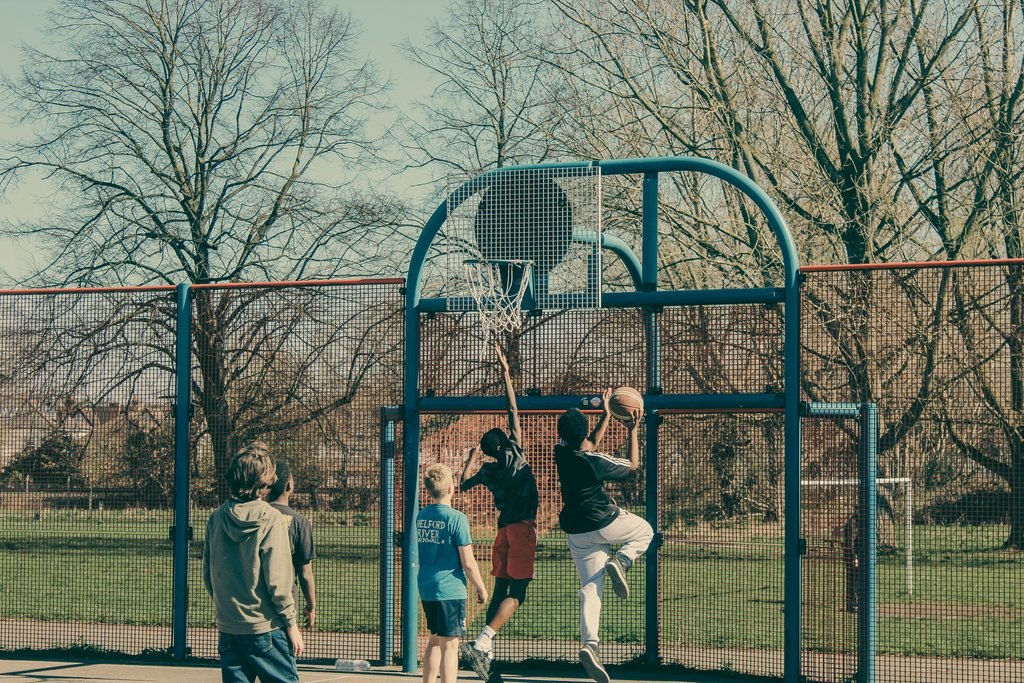
Children often find it difficult to practise on a full-height basketball hoop. An adjustable youth system gives them a more comfortable starting point and can help them develop basic shooting skills.
Look for a model that offers a suitable height range, a stable base, and a backboard appropriate for the child’s age.
Best for: Young beginners.
Potential drawback: Children may outgrow smaller systems, so consider the maximum height before making a purchase.
10. SKLZ Pro Mini Hoop – Best for Indoor Entertainment
A mini basketball hoop can bring a little competition into a bedroom, office, or recreation room. Many models are designed to fit over a door and use a smaller basketball.
It is a convenient option for quick shooting games when outdoor practice is not possible.
Best for: Students, casual players, and indoor entertainment.
Potential drawback: A mini hoop cannot replace a full-size system for serious shooting, footwork, or basketball training.
11. Wall-Mounted Adjustable Basketball Hoop – Best for Saving Space
A wall-mounted basketball hoop can be useful when there is not enough room for a portable base. It attaches to a suitable wall or support structure and may offer height adjustment, depending on the model.
This arrangement can keep the playing area relatively clear.
Best for: Homes with limited ground space and a suitable mounting location.
Potential drawback: The wall must safely support the equipment and forces created during play. Professional installation may be necessary.
12. Over-the-Door Mini Basketball Hoop – Best Budget Indoor Choice
An over-the-door mini hoop is a simple option for people who want casual basketball fun without buying a large system. It generally requires little space and can be removed when not in use.
It can also be an entertaining addition to a playroom or office.
Best for: Casual indoor games and small spaces.
Potential drawback: It is not designed for full-size basketballs or serious training. Avoid hanging from or pulling on the rim.
13. Tempered-Glass In-Ground Hoop – Best for Rebound Quality
Tempered glass is commonly used in premium basketball systems because it provides a consistent rebound response. An in-ground hoop with a quality glass backboard can offer a more court-like experience.
This type of system is particularly appealing to players who spend a lot of time practising bank shots.
Best for: Serious home practice and dedicated outdoor courts.
Potential drawback: Tempered-glass systems can be expensive and heavy. They also require proper installation and care.
14. Acrylic Portable Basketball Hoop – Best Middle-Ground Option
An acrylic backboard can provide a useful balance between affordability and playing performance. It is commonly found in residential basketball systems and can work well for recreational use.
If you want something more substantial than a basic plastic backboard without choosing a premium glass model, acrylic is worth considering.
Best for: Families and recreational players.
Potential drawback: Acrylic can flex more than tempered glass, depending on its thickness and frame construction.
15. Polycarbonate Basketball Hoop – Best for Budget-Friendly Recreation
Polycarbonate backboards are often used in entry-level basketball systems. They can be suitable for beginners, children, and people who only play occasionally.
A budget-friendly model can provide a convenient introduction to basketball without requiring a major investment.
Best for: Beginners and occasional backyard games.
Potential drawback: Rebound quality may not feel as natural as it does with higher-end backboards. Very inexpensive models may also have lighter support structures.
How to Choose the Right Basketball Hoop
A long list of choices is useful, but the best purchase depends on your individual needs. Consider the following factors before spending your money.
Backboard Material and Size
The backboard affects rebound quality, durability, and the overall playing experience.
- Tempered glass: A premium option known for consistent rebounds.
- Acrylic: A practical middle-ground choice for residential play.
- Polycarbonate: Often suitable for beginners and casual games.
- Basic plastic: Better suited to lightweight mini hoops and recreational use.
Backboard size also matters. Larger boards offer more room for bank shots, while smaller boards may be suitable for children and compact spaces.
Height Adjustment
A height-adjustable basketball hoop is useful when people of different ages play together. Younger players can start at a lower setting and gradually work toward the standard rim height.
For reference, the FIBA Official Basketball Rules specify that the top edge of the ring should be 3,050 mm above the playing floor. You can review the official FIBA basketball rules and equipment specifications to understand the regulation measurements.
Portable or In-Ground Design
Portable hoops have a weighted base and can be repositioned when needed. They are useful for renters, families, and people who share driveway space.
In-ground systems are installed permanently and are generally better suited to dedicated playing areas. They require more preparation, but a properly installed system can provide a stable playing experience.
Stability and Rim Quality
Check the pole construction, base capacity, frame design, and rim quality. A breakaway rim may provide flexibility during certain types of play, but not every model is designed for dunking.
Never assume that a hoop can support a player’s weight. Follow the manufacturer’s instructions and avoid hanging from the rim unless the equipment is specifically rated for that use.
Weather Resistance and Warranty
Outdoor hoops face sunlight, rain, wind, and temperature changes. Look for weather-resistant finishes, protected hardware, and an outdoor net.
Read the warranty carefully. Check whether it covers the backboard, pole, rim, adjustment mechanism, and other components separately.
Advantages and Disadvantages of Owning a Basketball Hoop
Having a basketball hoop at home offers several benefits, but it also comes with responsibilities.
Advantages
- Convenient practice: You can work on shooting and coordination without travelling to a court.
- Family entertainment: Children and adults can enjoy games together.
- Skill development: Regular practice helps players build confidence and improve their technique.
- Flexible schedule: You can play whenever the weather and your routine allow.
Disadvantages
- Initial expense: A durable system can require a significant investment.
- Space requirements: Full-size hoops need enough room for safe movement.
- Maintenance: Outdoor equipment needs occasional cleaning and inspection.
- Installation: Permanent systems may require professional help and ground preparation.
The benefits can outweigh these limitations when you select a model that suits your space, playing habits, and budget.
Budget Planning Before Buying a Basketball Hoop
Price is an important part of choosing the right equipment. A low-cost mini hoop may be enough for indoor entertainment, while a serious player may prefer to invest in a stronger outdoor system.
Start by deciding how much you can comfortably spend. Then compare the total cost, including delivery, installation, accessories, and possible maintenance.
Budget planning matters in other areas of life as well. Small business owners, for example, often compare recurring expenses and employee benefits before making financial decisions. If you are interested in that topic, you can also read this guide to dental insurance for small business.
Avoid choosing a hoop based on price alone. A slightly more expensive model may offer better durability, a more useful adjustment range, or a stronger warranty. The goal is to find equipment that provides value over time.
Tips for Maintaining Your Basketball Hoop
Regular maintenance can help protect your investment and keep the equipment ready for play.
- Inspect the rim and net: Look for loose connections, rust, or visible damage.
- Clean the backboard: Use a soft cloth and a cleaner recommended by the manufacturer.
- Check the base: Make sure a portable base is filled and secured according to the instructions.
- Tighten hardware: Inspect bolts and fittings periodically.
- Protect against harsh weather: Follow the manufacturer’s guidance during storms and strong winds.
- Check the adjustment mechanism: Make sure it operates smoothly and locks securely.
Never move or adjust a heavy basketball system without following its safety instructions. If the pole, base, or backboard becomes damaged, stop using the hoop until it has been inspected.
Frequently Asked Questions
1. What is the best basketball hoop for home use?
The best choice depends on your space and budget. A portable model is useful for flexible home play, while an in-ground system may be better for a permanent outdoor court.
2. What is the standard basketball hoop height?
The standard rim height is approximately 10 feet, measured from the playing floor to the top edge of the ring. FIBA specifies 3,050 mm.
3. Is a portable or in-ground basketball hoop better?
A portable hoop is easier to reposition and does not require permanent ground installation. An in-ground system is a better option when you have a dedicated playing area and want a permanent setup.
4. Which backboard material is best?
Tempered glass is a premium choice for rebound quality. Acrylic offers a practical balance for many home players, while polycarbonate can suit beginners and recreational use.
5. Can children use a full-size basketball hoop?
Yes, but an adjustable model is usually more practical. Lowering the rim allows younger players to practise comfortably and gradually develop their shooting skills.
Conclusion
The right basketball hoop should match your playing level, available space, and budget. A portable system can work well for families and casual players, while an in-ground model may be a better investment for people who practise regularly. Mini hoops also offer an enjoyable option for indoor recreation.
Before buying, compare backboard material, height adjustment, rim construction, base stability, installation requirements, and warranty coverage. Do not choose a model simply because it looks impressive or has a low price. Consider how often it will be used and who will play on it.
A carefully selected basketball hoop can turn an ordinary driveway or backyard into a useful place to practise, enjoy friendly competition, and build lasting memories. The right equipment will not determine anyone’s destiny, but it can make every practice session more accessible and rewarding.