



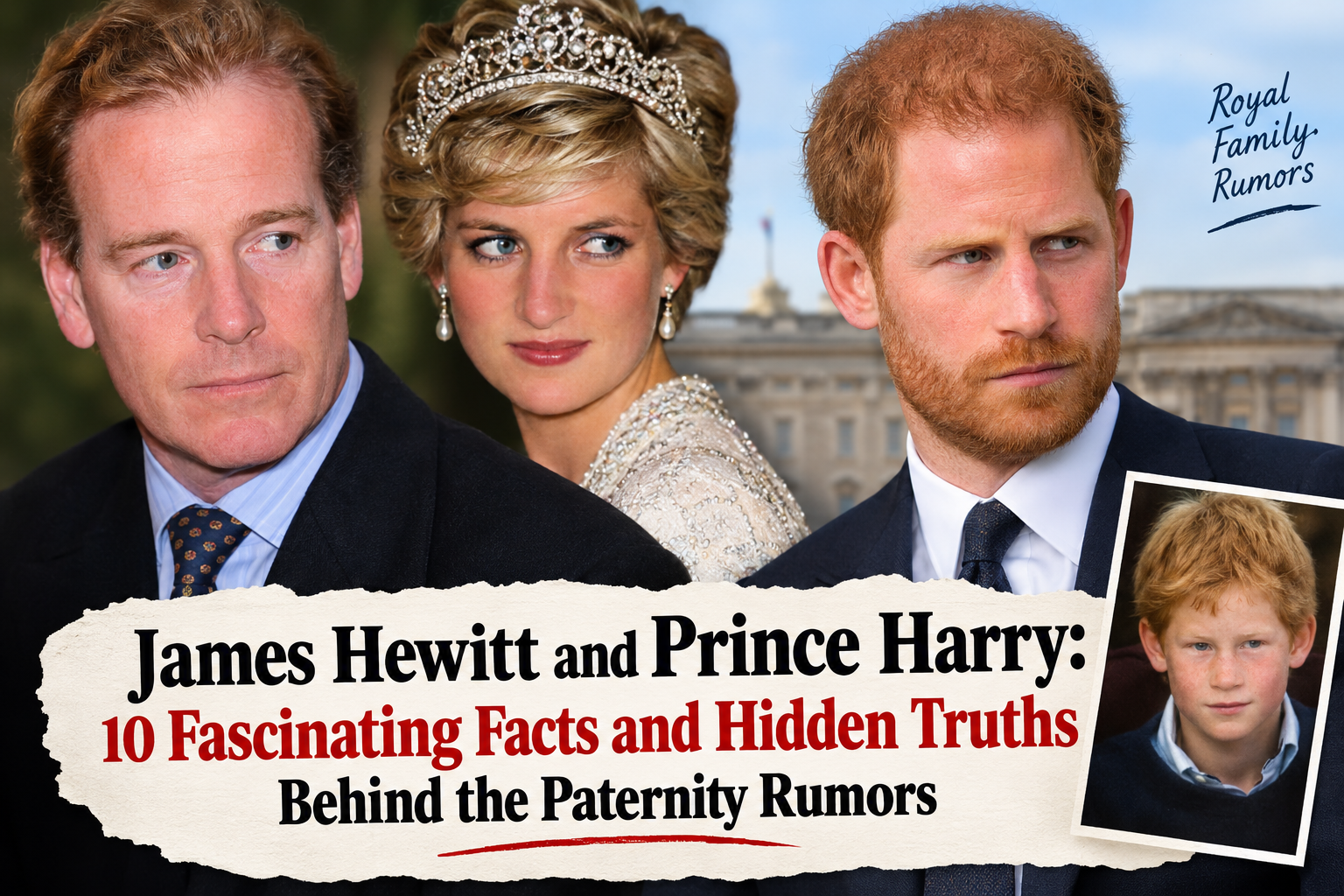
James Hewitt and Prince Harry have been connected by one of the most persistent rumors surrounding the British royal family. For years, tabloids and royal watchers have speculated that former British Army officer James Hewitt could be Prince Harry’s biological father because of his relationship with Princess Diana and his noticeable red hair. However, the actual timeline and statements from the people involved tell a different story.
Prince Harry was born in 1984, while James Hewitt has consistently said that he first met Diana in 1986. Hewitt has also publicly denied being Harry’s father. Despite these facts, the speculation continued for decades and became a subject Harry addressed in his memoir, Spare.
This article explores 10 important facts about James Hewitt and Prince Harry, explains where the rumors began, and separates documented information from tabloid speculation.
1. Prince Harry Was Born Before James Hewitt Met Princess Diana
One of the most important facts about James Hewitt and Prince Harry is the timeline of events.
Prince Harry was born on September 15, 1984, at St Mary’s Hospital in London. James Hewitt has repeatedly stated that he first met Princess Diana in 1986, approximately two years after Harry’s birth.
This timeline is central to understanding why the paternity rumor has been widely challenged. If Hewitt’s account of their first meeting is accurate, he could not have been Harry’s biological father.
Hewitt also referred to Harry as already being a toddler when his relationship with Diana began. His comments have appeared in interviews and reports over the years.
2. James Hewitt and Princess Diana Had a Romantic Relationship
The connection between Hewitt and the royal family began through Princess Diana, not through Prince Harry.
Hewitt was a former cavalry officer in the British Army. He became acquainted with Diana and reportedly helped her overcome her fear of horse riding by giving her riding lessons.
Their friendship eventually developed into a romantic relationship. Diana publicly acknowledged the affair during her famous 1995 BBC Panorama interview.
When asked whether the relationship had gone beyond friendship, Diana confirmed that it had. She also spoke openly about being in love with Hewitt and feeling disappointed by how things developed.
The relationship attracted considerable media attention because Diana was still married to Prince Charles at the time. Its public disclosure later became an important part of the history surrounding the royal marriage.
3. Red Hair Helped Fuel the Paternity Rumors
A major reason the rumors about James Hewitt and Prince Harry attracted attention was their similar hair color.
Both have distinctive red hair, and some people also claimed that their facial features looked alike. Tabloid publications repeatedly used photographs to encourage comparisons between the two.
However, physical resemblance is not reliable evidence of biological parentage. Hair color and facial features can appear in different members of extended families, and visual comparisons cannot establish a person’s identity or family relationship.
In his memoir, Harry discussed how the media focused on Hewitt’s red hair when promoting the rumor. He also explained how hurtful the speculation had been.
The resemblance became a popular talking point, but it never provided proof that Hewitt was Harry’s biological father.
4. James Hewitt Publicly Denied Being Prince Harry’s Father
James Hewitt has directly rejected the claim that he fathered Prince Harry.
In 2002, Hewitt gave an interview in which he said there was no possibility that he was Harry’s father. He explained that Harry was already walking when his relationship with Diana began.
The issue resurfaced in 2017 when Hewitt was asked directly about the rumor during an interview with Australia’s Channel Seven.
His answer was clear: he said he was not Harry’s father. He also suggested that the rumor continued because it attracted newspaper attention.
These denials are important because they come directly from the person at the center of the speculation. They also align with the commonly reported timeline of his relationship with Diana.
5. Prince Harry Addressed the Rumors in His Memoir Spare
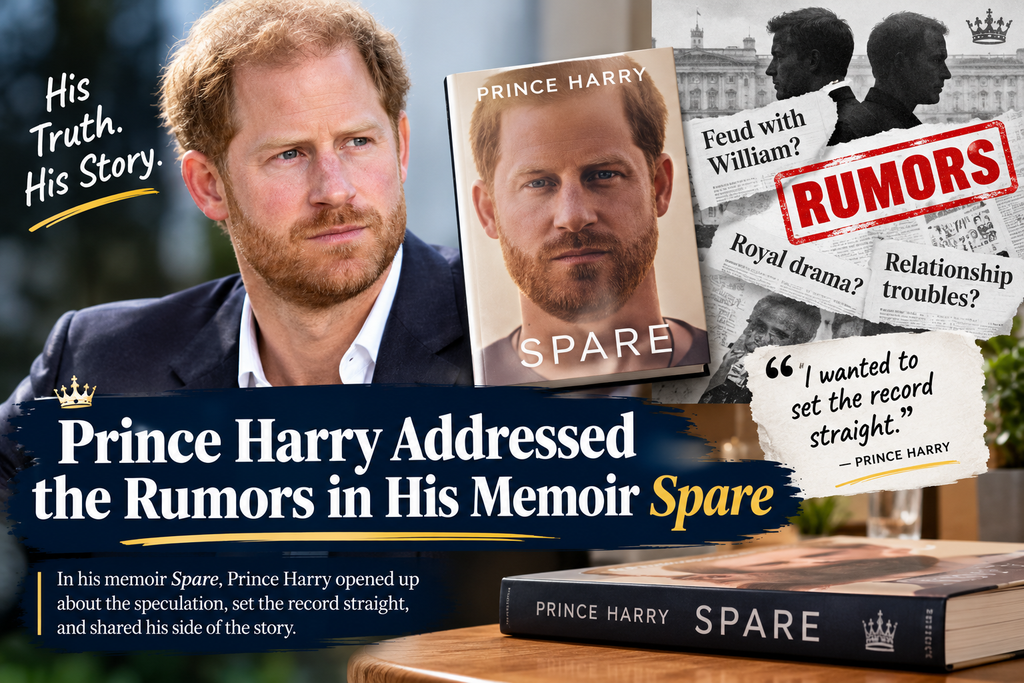
The story received renewed attention in January 2023 when Prince Harry’s memoir, Spare, was released.
Harry discussed the long-running claim that James Hewitt was his biological father. He explained that the rumor had circulated throughout his life and that newspapers repeatedly used the story to attract readers.
He also described how the speculation affected him emotionally. Being publicly questioned about his parentage was especially difficult because he had already experienced the loss of his mother at a young age.
Harry’s account showed that the rumor was not simply an amusing subject for royal watchers. It was a personal issue that followed him throughout his childhood and adult life.
His comments also highlighted the impact that repeated tabloid stories can have on people who are constantly discussed in the media.
6. The Rumor Became Part of the Wider Tabloid Culture
The James Hewitt and Prince Harry story demonstrates how a rumor can remain popular even when the available timeline challenges it.
Tabloid newspapers often focus on dramatic claims involving famous families. Stories about secret relationships, disputed parentage, and royal controversies can attract significant attention.
In this case, the combination of Diana’s acknowledged relationship with Hewitt and the physical resemblance people claimed to see between Hewitt and Harry helped keep the story alive.
However, repeated publication does not turn speculation into established fact. Readers should distinguish between verified statements, documented dates, and claims that are repeated without reliable evidence.
The story also raises questions about the responsibilities of media organizations when reporting on private family matters.
7. Prince Harry Explained How the Rumor Affected Him
Harry’s comments in Spare revealed the personal consequences of years of speculation.
He described how the rumor was repeated in newspapers and how it created doubts and questions around his identity. In his 2023 witness statement during his legal case against Mirror Group Newspapers, he also discussed articles concerning the claim about his biological father.
Harry explained that, at the time some of those stories appeared, he did not fully understand the timeline of Diana’s relationship with Hewitt. He later learned that his mother had met Hewitt after he was born.
His account provides an important reminder that public figures and their families can experience real emotional harm from sensational reporting.
A story may look like entertainment to readers, but the people involved may have to live with its consequences for years.
8. Diana’s Relationship With Hewitt Was Separate From Harry’s Parentage
It is important not to confuse two different questions: whether Diana had a relationship with James Hewitt and whether Hewitt was Prince Harry’s biological father.
Diana publicly acknowledged her affair with Hewitt. That part of the story is supported by her own statements and historical reporting.
However, the existence of that relationship does not establish that Hewitt fathered Harry. The commonly reported timeline places their first meeting in 1986, whereas Harry was born in 1984.
Keeping these issues separate makes it easier to understand the facts without allowing one confirmed event to be used as proof of an unrelated allegation.
This distinction is particularly important when discussing royal history, where personal relationships and media speculation have often become mixed together.
9. Public Interest in Celebrity Relationships Keeps Similar Stories Alive
The public has always shown interest in the private lives of celebrities, royal family members, and well-known personalities. Relationships often become major subjects of discussion, especially when they involve unexpected details or media controversy.
That interest is not limited to the British royal family. Readers also explore relationship stories involving entertainers and television personalities. For example, this guide to Ross King’s girlfriend and relationship details explores public curiosity surrounding another familiar media personality.
However, there is an important difference between reporting confirmed relationship information and presenting speculation as fact. Responsible coverage should make that distinction clear.
The story of James Hewitt and Prince Harry shows why readers should look beyond headlines and consider the evidence behind a claim.
10. The Available Timeline Does Not Support the Paternity Rumor
The most important point in the discussion is the timeline.
Prince Harry was born in September 1984. James Hewitt has consistently stated that he first met Diana in 1986. He also publicly denied being Harry’s father in both 2002 and 2017.
Harry himself addressed the rumor in Spare and explained that Diana did not meet Hewitt until after his birth.
These facts do not provide evidence that Hewitt was Harry’s biological father. The rumor has been sustained largely through tabloid speculation and comparisons of physical appearance rather than credible public evidence.
For a further account of Hewitt’s denial and the history of the story, readers can consult Sky News’ report on James Hewitt denying the paternity rumor.
Why Do the James Hewitt and Prince Harry Rumors Continue?
There are several reasons the story continues to attract attention.
First, Princess Diana remains one of the most discussed members of the British royal family. Her life, relationships, and experiences continue to interest readers around the world.
Second, the story combines several elements that tabloids often emphasize: a royal romance, an alleged family secret, physical resemblance, and questions about identity.
Third, Prince Harry’s decision to address the subject in Spare brought the rumor back into public discussion. His comments encouraged readers to reconsider how the story had affected him rather than treating it only as celebrity gossip.
Finally, online discussions can keep old stories circulating long after the original events. Repeated searches and social media posts may make a claim appear more credible than the available evidence actually supports.
What Should Readers Understand About the Paternity Claims?
When examining the James Hewitt and Prince Harry story, readers should keep a few points in mind:
- Diana acknowledged having a romantic relationship with James Hewitt.
- Hewitt has said that he met Diana in 1986.
- Prince Harry was born in 1984.
- Hewitt directly denied being Harry’s biological father.
- Harry discussed the emotional impact of the rumor in Spare.
- Physical resemblance alone cannot establish biological parentage.
These points help separate documented history from speculation. They also show why reliable reporting and accurate timelines matter when discussing the private lives of public figures.
Frequently Asked Questions
1. Is James Hewitt Prince Harry’s biological father?
There is no credible public evidence establishing James Hewitt as Prince Harry’s biological father. Hewitt has repeatedly denied the claim, and the commonly reported timeline places his first meeting with Diana in 1986, two years after Harry’s birth.
2. When did James Hewitt meet Princess Diana?
James Hewitt has said that he first met Princess Diana in 1986. Their acquaintance developed into a romantic relationship, which Diana later acknowledged publicly.
3. Why do people think James Hewitt looks like Prince Harry?
People have often pointed to their red hair and perceived facial similarities. However, appearance is not proof of biological parentage, and visual comparisons cannot establish a family relationship.
4. Did Prince Harry discuss James Hewitt in Spare?
Yes. In his 2023 memoir Spare, Prince Harry addressed the rumor and described how repeated media speculation about his parentage affected him.
5. Did James Hewitt ever deny being Harry’s father?
Yes. Hewitt denied the claim publicly in 2002 and again in a 2017 television interview. He stated that Harry was already born before his relationship with Diana began.
Conclusion
The story of James Hewitt and Prince Harry remains one of the most persistent rumors in modern royal history. It began with Princess Diana’s acknowledged relationship with Hewitt and grew through tabloid speculation about physical resemblance and royal family secrets.
However, the documented timeline, Hewitt’s repeated denials, and Harry’s own account in Spare provide important context. Harry was born in 1984, while Hewitt has said he met Diana in 1986. There is no credible public evidence establishing Hewitt as Harry’s biological father.
Ultimately, this story is about more than a rumor. It highlights the lasting effects of sensational journalism and the importance of treating personal family matters with care. Understanding the facts rather than relying on headlines helps readers make informed judgments and recognize the difference between public curiosity and established truth. Sometimes, the most valuable lesson is to follow evidence instead of speculation, allowing history—not gossip—to shape our understanding and destiny.