



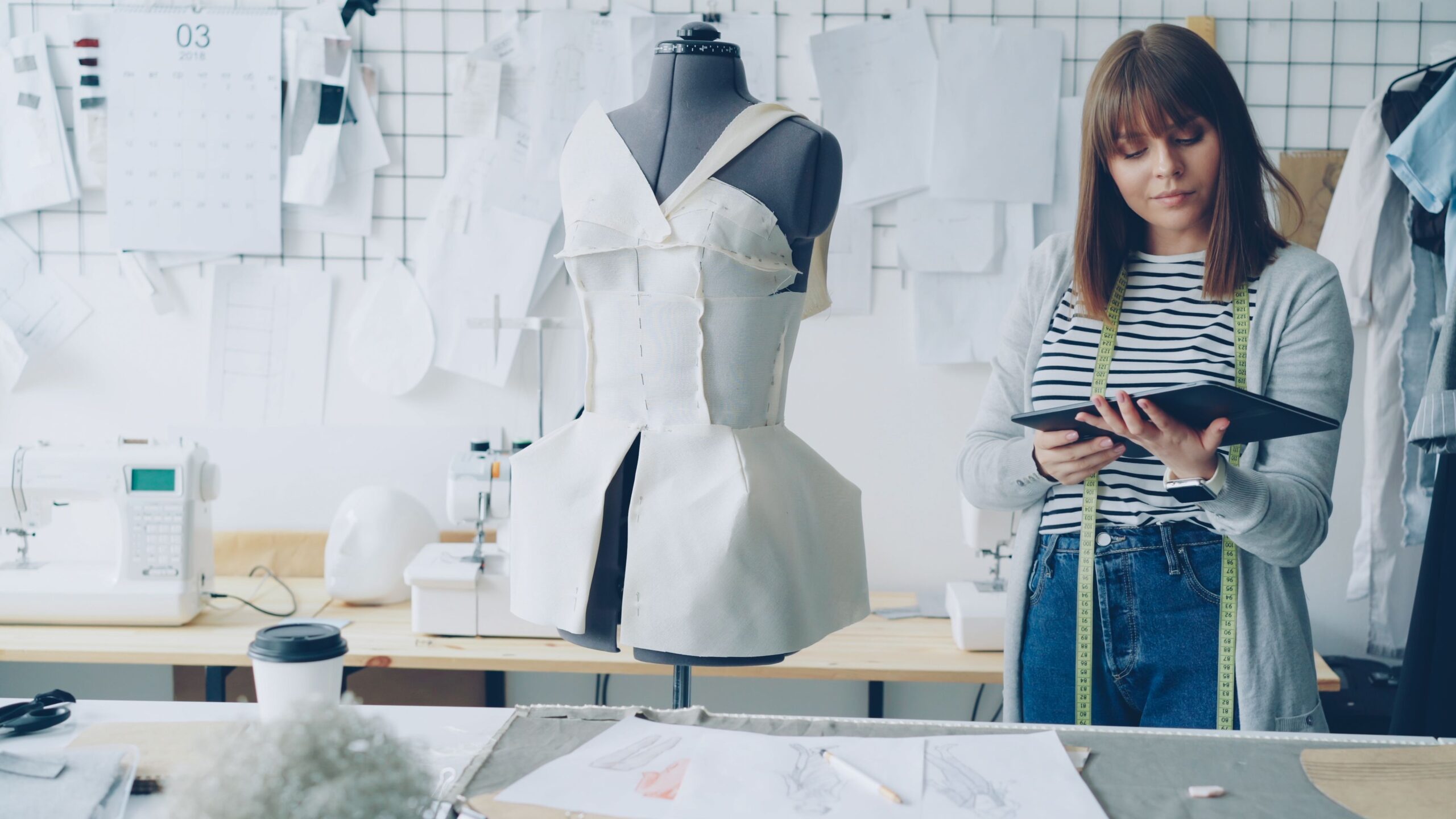
Fashion designers what they do is a common question among people interested in clothing, creativity, and the fashion industry. Many people imagine designers spending their entire day sketching beautiful outfits, but the job involves much more than drawing clothes. Fashion designers research trends, develop concepts, select fabrics, create samples, work with production teams, and make decisions about how a finished product should look and function.
A fashion designer may work on everyday clothing, luxury garments, sportswear, footwear, accessories, or costumes. Some designers work for established fashion brands, while others build their own labels or work independently. The U.S. Bureau of Labor Statistics explains that fashion designers create clothing, accessories, and footwear and may be involved in everything from researching trends and selecting materials to overseeing final production.
Understanding the complete role is important for anyone considering fashion design as a career. It also helps consumers appreciate the amount of creative and practical work behind the clothes they wear.
What Does a Fashion Designer Do?
A fashion designer turns an idea into a wearable product. The process usually starts with research and inspiration and continues through sketching, material selection, sample development, testing, and production. Every stage requires careful decisions because a good design must look attractive while also being practical and comfortable.
Designers also need to think about their target audience. A designer creating formal office clothing will have different priorities from someone designing sportswear or children’s clothing. Even details such as fit, fabric weight, color, stitching, and durability can affect whether a design succeeds.
Research Fashion Trends
Before creating a new collection, designers spend time researching fashion trends. They may study fashion shows, magazines, retail stores, social media, cultural influences, and customer preferences. This research helps them understand which colors, materials, shapes, and styles may become popular.
However, trend research does not mean copying what other designers have already created. Instead, designers use information as inspiration and combine it with their own creative ideas. A successful designer can recognize a trend while still developing a distinctive style.
Creating Fashion Designs From Ideas
Once the research stage is complete, designers begin turning their ideas into actual designs. Some start with hand-drawn sketches, while others use computer-aided design software. Digital tools allow designers to experiment with colors, shapes, patterns, and other details before producing a physical sample.
The first idea is rarely the final one. Designers often create several versions before choosing the strongest concept. They may change the neckline, sleeve length, fabric, color, or overall shape. This process allows them to improve the design before spending more money on production.
Fashion design is also closely connected to personal style. For example, a designer working on professional clothing needs to understand how appearance and comfort work together. Knowledge of details such as the best men’s shoes for office wear can help show why fashion products need to balance style with practical everyday needs.
Selecting Fabrics and Materials
Choosing the correct fabric is one of the most important decisions a fashion designer makes. Different materials have different textures, weights, levels of stretch, and durability. A fabric that looks attractive in a photograph may not work well for a particular garment.
Designers therefore consider how a material will feel against the skin, how it will move when worn, and how easily it can be cut and sewn. They may also consider cost, availability, season, and the expectations of their target customers.
For instance, lightweight fabrics can be useful for warm-weather clothing, while heavier materials may be more appropriate for winter coats. The right material can improve both the appearance and performance of a finished design.
Developing and Testing Samples
After creating a design concept and selecting materials, the designer usually works on a sample. A sample gives the designer an opportunity to see how the design looks as an actual piece of clothing instead of just a sketch.
The first sample may reveal problems that were not obvious during the design stage. The garment may not fit correctly, the fabric may not fall as expected, or certain details may need to be changed. Designers can then work with pattern makers and sample makers to make adjustments.
This process may happen several times before the final version is approved. According to the U.S. Bureau of Labor Statistics, designers commonly develop prototypes, test different materials, and adjust designs before final production.
Working With Production Teams
Fashion designers rarely work completely alone. They often collaborate with tailors, pattern makers, manufacturers, fabric suppliers, creative directors, marketers, photographers, and buyers.
Communication is therefore an important part of the job. Designers need to explain their ideas clearly and provide accurate information about measurements, fabrics, colors, stitching, and construction. If instructions are unclear, the final product may look very different from the original design.
Designers may also inspect samples or finished garments to make sure the quality meets the required standard. In larger companies, several designers may work together under the direction of a creative director.
Different Types of Fashion Designers
Fashion design is a broad field, so designers often specialize in a particular area. Clothing designers create garments such as dresses, shirts, trousers, jackets, suits, sportswear, and outerwear. Some focus specifically on men’s, women’s, or children’s fashion.
Footwear designers focus on shoes and boots. Their work involves more than appearance because they also need to consider comfort, fit, durability, materials, and how the footwear will be manufactured.
Accessory designers create products such as handbags, belts, scarves, hats, and other fashion items. These products can be designed as independent pieces or as part of a larger clothing collection.
Costume designers have a different role. They create clothing for films, television, theater, and other performances. Their designs may need to reflect a particular historical period, character, setting, or storyline.
Skills Every Fashion Designer Needs
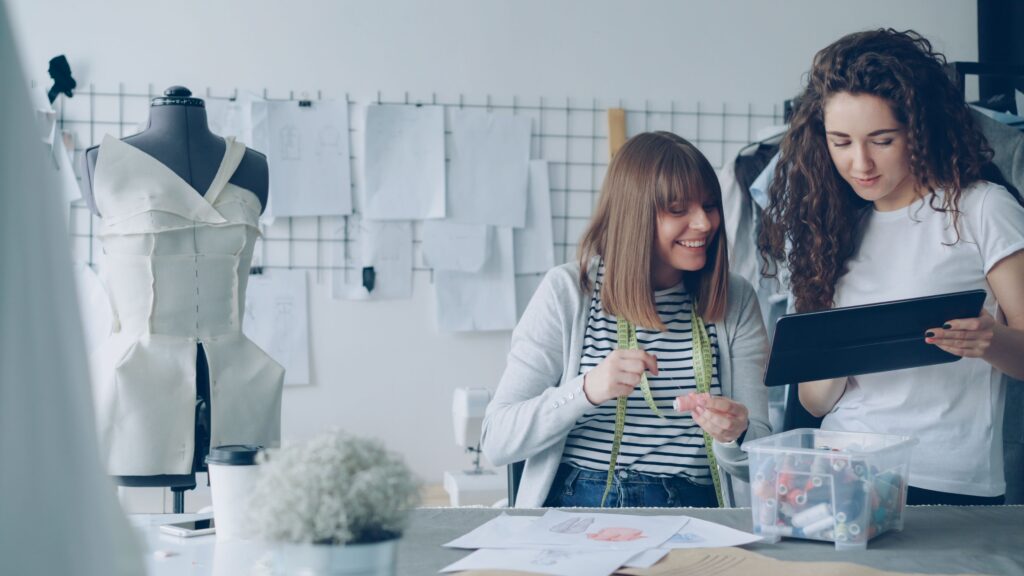
Understanding fashion designers what they do also means understanding the skills required for the profession. Creativity is obviously important, but successful designers need a combination of artistic, technical, communication, and business abilities.
Creativity and Imagination
Fashion designers need to develop original ideas. They work with colors, patterns, textures, shapes, and materials to create designs that are visually appealing and different from existing products.
Creativity also helps designers solve problems. If a particular fabric does not work as expected, for example, the designer may need to find another material or change the construction of the garment.
Technical Knowledge
A designer should understand how clothing is constructed. Knowledge of fabrics, sewing, measurements, patterns, and garment production makes it easier to create realistic designs.
Modern designers may also need computer skills because digital design and computer-aided design tools are widely used in the industry.
Communication Skills
Designers work with many different professionals, so they need to communicate their ideas effectively. They must be able to explain a concept, receive feedback, and make changes when necessary.
Good communication can prevent mistakes and help a design move smoothly from an initial sketch to final production.
Business Awareness
Fashion is creative, but it is also a business. Designers need to understand customer demand, pricing, production costs, marketing, and deadlines.
A designer may create a beautiful garment, but if it is too expensive to produce or does not appeal to the target customer, it may not succeed commercially.
Positive Impacts of Being a Fashion Designer
Fashion design can be an exciting career for people who enjoy creativity and self-expression. One of its biggest advantages is the opportunity to turn personal ideas into real products that other people can wear.
Designers can also choose from many career paths. They may work for fashion companies, clothing manufacturers, retailers, entertainment companies, or design studios. Some eventually create their own brands and become independent business owners.
Another positive aspect is the opportunity to keep learning. Fashion changes constantly, so designers are exposed to new materials, technologies, styles, and creative influences. This can make the profession interesting for people who do not enjoy repetitive work.
Negative Impacts and Challenges
Although fashion design has many benefits, it also comes with challenges. Competition can be strong because many creative people want to work in the industry. New designers may need time to build experience, develop a portfolio, and establish professional connections.
Deadlines can also create pressure. Designers may need to complete collections, samples, or presentations within a limited period. During busy seasons, working hours can become longer, especially when preparing for fashion shows or production deadlines.
Another challenge is that trends change quickly. A designer must continue learning and adapting instead of relying on the same ideas for years. Independent designers also have to manage business responsibilities alongside their creative work.
How to Become a Fashion Designer
People interested in becoming fashion designers can begin by studying fashion design, fashion merchandising, or a related subject. Formal education can teach important areas such as textiles, garment construction, design principles, and computer-aided design.
However, education is only one part of the process. Practical experience can help aspiring designers understand how the industry actually works. Internships, assistant positions, personal projects, and small design collections can all provide useful experience.
A strong portfolio is particularly important. It allows employers and potential clients to see a designer’s creativity, technical ability, and personal style. The U.S. Bureau of Labor Statistics also identifies a portfolio as an important way for employers to evaluate a fashion designer’s talent and creativity.
Is Fashion Design a Good Career?
Fashion design can be a good career for people who genuinely enjoy creativity, clothing, and problem-solving. It offers opportunities to work on different projects and develop a recognizable personal style.
However, it is important to understand that the career is not only about designing beautiful clothes. Designers must deal with revisions, deadlines, production issues, customers, budgets, and teamwork.
Anyone considering this career should therefore develop both creative and practical skills. Learning how to sketch is useful, but understanding fabrics, production, communication, technology, and business can make a designer much more effective.
Conclusion
So, fashion designers, what do they do? They research trends, create designs, select fabrics, develop samples, and work with production teams to turn creative ideas into finished fashion products. Fashion design offers exciting opportunities, but it also comes with competition, deadlines, and business challenges. If you want to pursue this career, practice your skills, study fashion, and build a strong portfolio while learning more about the fashion designer career and its requirements.