




How to start fashion designing is one of the most common questions asked by creative individuals who dream of building a successful career in the fashion industry. Fashion designing is more than creating beautiful clothes. It combines creativity, technical skills, market research, and business knowledge to develop designs that people love to wear.
Whether you want to become a professional designer, work with leading fashion brands, or launch your own clothing line, understanding how to start fashion designing can help you build a strong foundation for long-term success.
What Is Fashion Designing?
Fashion designing is the art of creating clothing, footwear, and accessories that combine style, comfort, and functionality. Designers study consumer preferences, fashion trends, fabrics, and production techniques to create products that appeal to specific audiences.
The fashion industry offers opportunities in various sectors, including:
- Apparel design
- Textile design
- Luxury fashion
- Sustainable fashion
- Fashion marketing
- Fashion merchandising
Before starting your journey, it is important to understand the responsibilities and skills required in this exciting field.
Why Choose Fashion Designing as a Career?
Fashion designing attracts people who enjoy creativity and innovation. It provides a platform to express ideas through clothing and influence how people present themselves.
Some benefits include:
- Creative freedom
- Diverse career opportunities
- Potential for entrepreneurship
- Global industry exposure
- Personal brand development
Additionally, understanding the latest fashion movements can help aspiring designers stay competitive. Reading about the current fashion trend can provide valuable insights into what consumers are looking for today.
1. Learn the Basics of Fashion Design
The first step in learning how to start fashion designing is understanding the fundamentals.
Focus on learning:
- Color theory
- Fashion illustration
- Fabric selection
- Pattern making
- Garment construction
- Fashion history
A strong understanding of these concepts will help you create practical and attractive designs.
2. Improve Your Drawing and Sketching Skills
Fashion sketches are essential for communicating design ideas.
You don’t need to be a professional artist, but you should be able to:
- Draw fashion figures
- Illustrate garments
- Present design concepts
- Create technical sketches
Regular practice will help improve your creativity and confidence over time.
3. Understand Fabrics and Materials
Every successful fashion designer understands how fabrics affect the final product.
Common fabrics include:
- Cotton
- Silk
- Linen
- Wool
- Denim
- Polyester
Each material behaves differently during production and impacts the appearance, comfort, and durability of the garment.
4. Learn Sewing and Garment Construction
A designer who understands garment construction can create more realistic and functional designs.
Important skills include:
Basic Sewing Techniques
Learning how different stitches work helps you understand garment assembly.
Pattern Making
Patterns serve as blueprints for clothing production.
Fabric Cutting
Accurate cutting ensures garments fit properly and maintain their intended shape.
These technical skills are crucial when learning how to start fashion designing professionally.
5. Get Fashion Design Education
While formal education is not always required, it can accelerate your learning process.
You can choose:
Fashion Design Degree Programs
Many universities and institutes offer specialized fashion design courses.
Online Courses
Online learning platforms provide affordable and flexible training options.
According to the fashion designer career guide by Coursera, continuous learning and skill development play a major role in building a successful fashion career.
6. Build a Professional Portfolio
A portfolio showcases your abilities and creativity.
Include:
- Fashion sketches
- Mood boards
- Design concepts
- Fabric selections
- Finished garments
- Digital designs
Your portfolio often becomes the deciding factor when applying for internships, jobs, or freelance projects.
7. Learn Fashion Design Software
Technology has become an important part of modern fashion design.
Popular tools include:
- Adobe Illustrator
- Adobe Photoshop
- CLO 3D
- CorelDRAW
Learning these programs can improve efficiency and help present your designs professionally.
8. Stay Updated with Fashion Trends
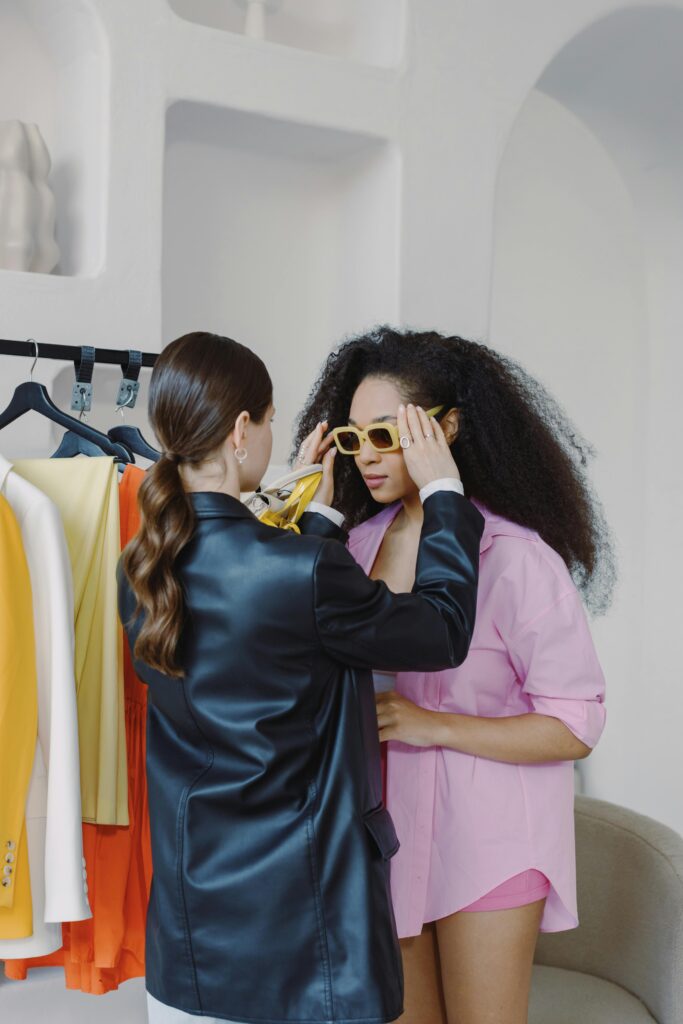
Fashion trends change constantly. Successful designers monitor industry developments and adapt when necessary.
Ways to stay informed include:
- Fashion magazines
- Industry blogs
- Runway shows
- Social media platforms
- Fashion exhibitions
Understanding trends while maintaining your unique style can help you stand out in a competitive market.
9. Gain Practical Experience
Practical experience is essential for growth.
Internships
Internships allow you to learn from experienced professionals.
Freelance Projects
Small projects help build confidence and improve your portfolio.
Personal Fashion Projects
Creating your own collections allows you to experiment with new ideas and techniques.
Hands-on experience is often the fastest way to master how to start fashion designing successfully.
10. Build Your Personal Brand
In today’s digital world, personal branding is critical.
You can build your reputation by:
- Creating a professional website
- Sharing work on social media
- Networking with industry professionals
- Participating in fashion events
- Publishing design content online
A strong personal brand can attract clients, employers, and business opportunities.
Positive and Negative Impacts of a Fashion Designing Career
Positive Impacts
- Encourages creativity and innovation
- Offers global career opportunities
- Allows personal expression
- Creates entrepreneurship opportunities
- Provides continuous learning experiences
Negative Impacts
- Highly competitive industry
- Long working hours during peak seasons
- Pressure to follow changing trends
- Financial challenges when starting independently
- Requires continuous skill development
Understanding both sides of the profession helps aspiring designers prepare for future challenges.
Career Opportunities in Fashion Designing
After learning how to start fashion designing, you can explore several career paths:
- Fashion Designer
- Textile Designer
- Fashion Stylist
- Costume Designer
- Fashion Illustrator
- Fashion Consultant
- Product Developer
- Fashion Entrepreneur
Each role offers unique opportunities for growth and specialization.
Conclusion
How to start fashion designing begins with developing creative skills, learning garment construction, understanding fabrics, and gaining practical experience. While the journey requires dedication and patience, the rewards can be incredibly fulfilling for those passionate about fashion.
Start by learning the basics, building a strong portfolio, and staying updated with industry trends. Every successful fashion designer started as a beginner. Take the first step today, keep practicing, and continue improving your skills. With consistency and determination, you can turn your passion for fashion into a successful and rewarding career.