



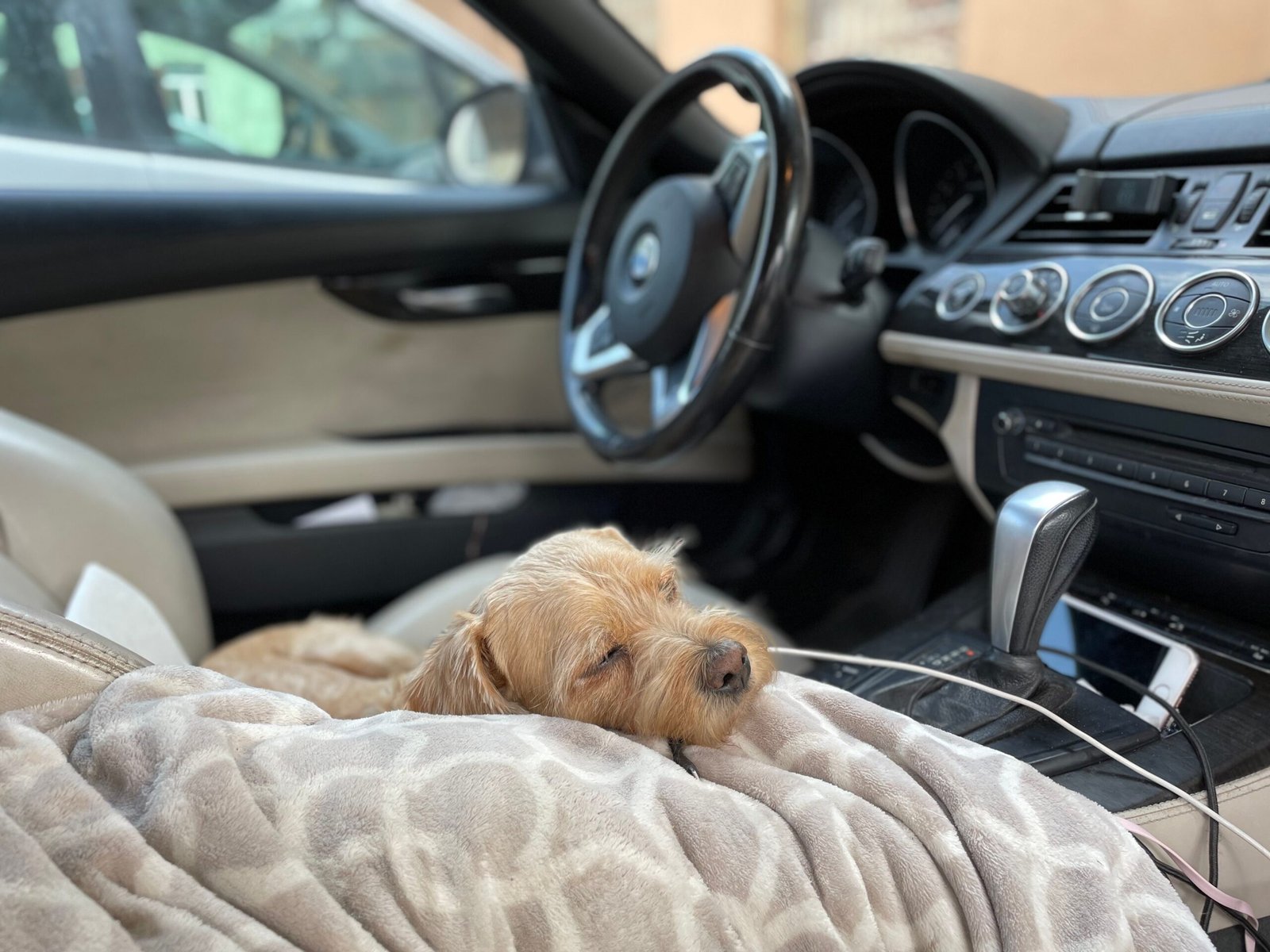
How to make your pet comfortable during travel is an important question for pet owners planning a road trip, vacation, or long-distance journey. Traveling can be stressful for animals because of unfamiliar surroundings, loud noises, changes in routine, and motion sickness. Fortunately, proper preparation can help your pet feel safer and more relaxed throughout the journey.
Whether you are traveling with a dog or a cat, understanding your pet’s needs can make the experience easier for everyone. From choosing the right carrier to maintaining familiar routines, a few practical steps can help keep your furry companion comfortable during travel.
1. Prepare Your Pet Before Traveling
Preparation is one of the best ways to reduce travel-related stress. If your pet is not accustomed to traveling, introduce the experience gradually instead of starting with a long journey.
For dogs, begin with short car rides around your neighborhood. Reward calm behavior with treats and praise to create positive associations with the vehicle. Cats can become familiar with their carriers by keeping them open at home and placing comfortable bedding or treats inside.
Before departure, check your pet’s identification tags and microchip information, if applicable. Make sure your contact details are up to date. You should also consult a veterinarian if your pet has a medical condition, experiences severe anxiety, or regularly suffers from motion sickness.
2. Choose a Safe and Comfortable Carrier
A suitable carrier or travel restraint is essential for your pet’s comfort and safety. Cats and small animals generally need a well-ventilated carrier that allows them to stand, turn around, and lie down naturally.
For dogs traveling in a car, a properly secured crate or suitable crash-tested harness can help reduce the risk of injury during sudden stops. Never allow your pet to roam freely around the driver’s area because it can distract the driver and create safety hazards.
Place a familiar blanket or towel inside the carrier to make it more welcoming. Avoid overcrowding the space with toys and accessories that could restrict movement.
If you are planning a longer journey, familiarize your pet with the carrier several days or weeks beforehand. This gives them time to recognize it as a safe place rather than something associated only with stressful trips.
3. Bring Familiar Items From Home
Unfamiliar environments can make animals nervous. Familiar smells and objects may help them feel more secure when traveling or staying somewhere new.
Pack your pet’s favorite blanket, a familiar toy, and their regular food and water bowls. These simple items can be particularly helpful when visiting relatives, staying in pet-friendly hotels, or exploring unfamiliar destinations.
Maintaining familiar routines is equally important. Try to feed your pet at its usual times and provide opportunities for exercise, rest, and bathroom breaks. Although travel can disrupt daily schedules, keeping some habits consistent can reduce unnecessary stress.
Planning your destination and travel expenses in advance can also make a trip less stressful for pet owners. If you are considering an international vacation, our guide on how much it costs to travel to Paris offers additional information to help you plan your travel budget.
4. Keep Your Pet Hydrated and Comfortable
Fresh water is essential during travel, especially on long journeys or in warm weather. Carry a portable water bowl and offer water regularly. Monitor your pet for possible signs of dehydration, including unusual lethargy, dry or sticky gums, and excessive panting.
Feed your pet according to its normal routine, while considering any advice from your veterinarian about meals before traveling. Large meals immediately before departure may worsen motion sickness in some animals.
Temperature control is another important factor. Keep the vehicle comfortably ventilated and prevent direct sunlight from heating your pet’s carrier. Never leave your pet alone in a parked car, even for a short period. Temperatures can rise quickly and cause life-threatening heatstroke.
For additional preparation advice, consult the CDC’s guidance on traveling safely with pets. Reviewing relevant health and travel recommendations before departure can help you prepare for your pet’s needs.
5. Take Regular Breaks During Road Trips
Long journeys can become uncomfortable when pets have no opportunity to stretch, move, or relieve themselves. Plan suitable breaks according to your pet’s age, health, and individual needs.
Dogs generally benefit from regular stops for supervised walks, bathroom breaks, and water. Always secure your dog with a leash before opening the vehicle door, even if it usually responds well to commands.
Cats often feel safer remaining inside their secured carriers during roadside stops. Avoid releasing a cat in an unfamiliar outdoor area, where it could become frightened and run away. If a longer break is necessary, choose a secure, enclosed environment.
Pay attention to your pet’s behavior throughout the journey. Persistent whining, excessive drooling, repeated panting, vomiting, or unusual restlessness may indicate discomfort or anxiety. If symptoms are severe or persistent, stop when it is safe to do so and seek veterinary advice.
6. Help Your Pet Manage Travel Anxiety
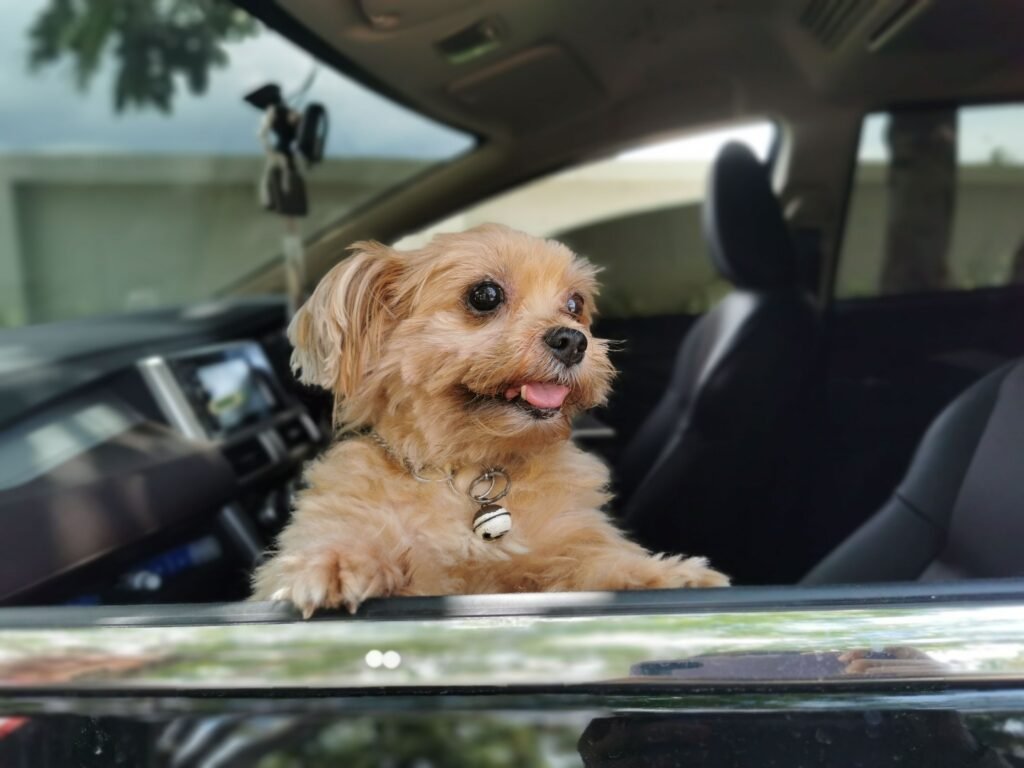
Some animals become anxious because of engine noise, vehicle movement, crowds, or unfamiliar surroundings. A calm approach can help prevent their anxiety from increasing.
Speak gently and avoid shouting at or punishing your pet for fearful behavior. For dogs, rewarding relaxed behavior can encourage positive associations with travel. Cats may benefit from a partially covered carrier that provides privacy while maintaining adequate ventilation.
You can also practice short journeys and gradually increase their duration as your pet becomes more comfortable. However, progress should depend on your animal’s response rather than a fixed schedule.
Pheromone products designed for specific animals may help some pets, although results vary. If anxiety is severe, consult a veterinarian about appropriate management options. Never give human medication or sedatives to your pet without veterinary guidance, as some medicines can be dangerous for animals.
7. Pack Essential Pet Travel Supplies
Keeping the right supplies available makes it easier to respond to your pet’s needs during a journey. Preparing a dedicated travel bag can also prevent important items from being forgotten.
Consider packing the following essentials:
- Your pet’s regular food and fresh water.
- Portable food and water bowls.
- A secure carrier, crate, or appropriate travel restraint.
- A leash, harness, and waste bags for dogs.
- Familiar bedding and a favorite toy.
- Prescribed medication and relevant veterinary records.
- Towels, cleaning supplies, and spare bedding.
- Identification details and emergency contact information.
For international travel, check the destination’s animal-entry requirements well in advance. Depending on the country, your pet may need specific vaccinations, a microchip, a veterinary health certificate, or additional documentation.
8. Help Your Pet Settle After Arrival
Reaching your destination does not necessarily mean your pet will immediately feel comfortable. Give your companion time to adjust before expecting it to explore unfamiliar surroundings or interact with new people.
Set up a quiet area with fresh water, familiar bedding, and access to its usual food. Cats should initially stay in a secure room with a clean litter tray and places to hide. Dogs should be taken outside on a leash until you understand the safety and layout of the area.
Maintain normal feeding, walking, and sleeping routines as much as possible. Supervise interactions with unfamiliar animals and avoid overwhelming your pet with too many new experiences at once.
If your pet continues to show severe distress, refuses food or water for an unusual period, or develops concerning symptoms, contact a veterinarian for guidance.
Conclusion
Understanding how to make your pet comfortable during travel requires thoughtful preparation, patience, and attention to your animal’s individual needs. A secure carrier, familiar belongings, regular hydration, appropriate breaks, and a calm environment can make a significant difference.
Every pet responds differently to travel, so observe its behavior and adjust your plans accordingly. By preparing in advance and prioritizing your companion’s safety, you can reduce unnecessary stress and make future journeys more comfortable and enjoyable for both of you.