



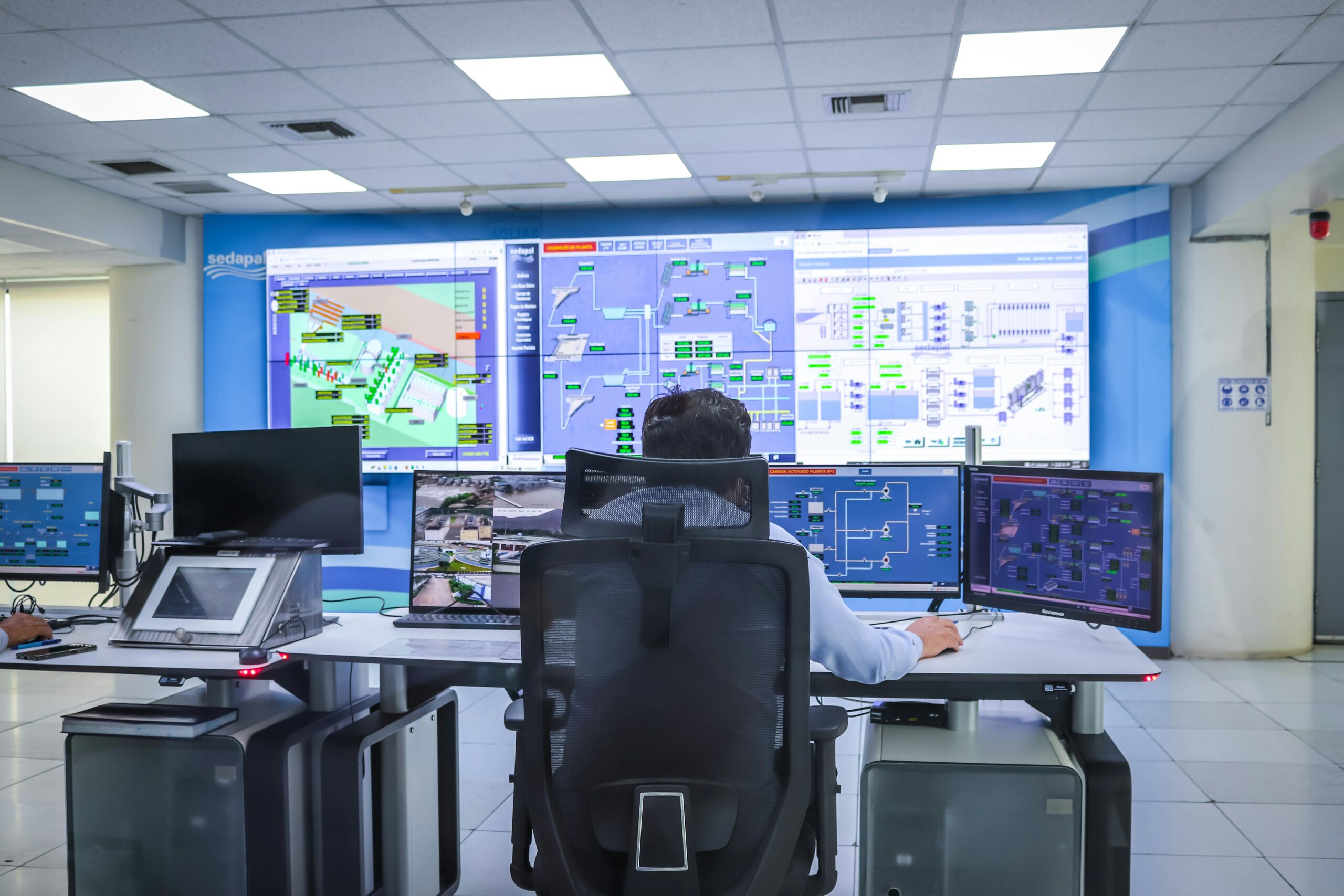
What is control technology used for in today’s world? From smart homes and healthcare systems to manufacturing plants and transportation networks, control technology plays a crucial role in making operations more efficient and reliable. It allows machines, devices, and systems to monitor conditions, make decisions, and perform tasks automatically with minimal human involvement.
As industries continue to embrace automation, understanding what control technology is used for becomes increasingly important. This technology helps organizations improve productivity, reduce errors, and maintain consistent performance across various processes.
In this guide, you’ll learn how control technology works, where it is used, its benefits, challenges, and why it has become an essential part of modern life.
What Is Control Technology?
Control technology refers to the systems and methods used to regulate, monitor, and manage machines or processes automatically. It combines sensors, controllers, software, and actuators to ensure that a system operates according to predefined requirements.
For example, when a thermostat automatically adjusts your home’s temperature, it is using control technology. Similarly, industrial robots that assemble products on a production line also rely on advanced control systems.
The primary goal of control technology is to improve efficiency, accuracy, and safety while reducing the need for manual intervention.
How Does Control Technology Work?
Control technology operates through a continuous feedback loop.
The process generally involves three main components:
Sensors
Sensors gather information from the environment or a machine.
Examples include:
- Temperature sensors
- Pressure sensors
- Motion detectors
- Light sensors
- Humidity sensors
Controllers
Controllers analyze the information collected by sensors and determine whether adjustments are necessary.
Common controllers include:
- Programmable Logic Controllers (PLCs)
- Industrial computers
- Microcontrollers
Actuators
Actuators perform the required action based on instructions from the controller.
Examples include:
- Motors
- Pumps
- Valves
- Robotic arms
Together, these components create automated systems capable of responding to changing conditions in real time.
What Is Control Technology Used For in Manufacturing?
Manufacturing is one of the biggest users of control technology.
Factories depend on automation to improve production speed, product quality, and workplace safety.
Production Line Automation
Automated production lines use control systems to coordinate machinery and robotic equipment.
Benefits include:
- Faster production
- Improved consistency
- Reduced human error
- Lower operating costs
Quality Control
Control systems continuously monitor products during manufacturing.
If a defect is detected, the system can alert operators or automatically remove defective items.
Equipment Monitoring
Modern factories use sensors to monitor machine performance and predict maintenance needs before failures occur.
This helps reduce downtime and improve overall productivity.
Applications in Transportation
Transportation systems rely heavily on automation and control technology.
Traffic Signal Management
Smart traffic systems use sensors and controllers to adjust traffic signals based on road conditions.
This helps reduce congestion and improve traffic flow.
Aviation Systems
Aircraft use sophisticated control technology for navigation, stability, and flight management.
These systems help improve safety and operational efficiency.
Railway Networks
Railway systems use automated signaling and train control systems to ensure safe operations and prevent collisions.
What Is Control Technology Used For in Healthcare?
The healthcare industry benefits significantly from advanced control systems.
Medical Equipment
Many life-saving devices depend on control technology, including:
- Ventilators
- MRI scanners
- Patient monitoring systems
- Infusion pumps
These systems ensure accurate and reliable medical treatment.
Robotic Surgery
Control technology enables surgeons to perform highly precise procedures using robotic-assisted equipment.
This often results in shorter recovery times and fewer complications.
Hospital Management Systems
Modern hospitals use automation to control lighting, security, temperature, and energy consumption.
Smart Homes and Everyday Life
Many people use control technology every day without realizing it.
Smart Thermostats
These devices automatically adjust indoor temperatures to improve comfort and energy efficiency.
Home Security Systems
Modern security systems use sensors and automated alerts to protect homes.
Smart Lighting
Lighting systems can automatically turn on or off based on occupancy or scheduled settings.
As explained in this detailed guide on medium technology and modern systems, automation continues to bridge the gap between traditional and advanced technological solutions.
Industrial Applications of Control Technology
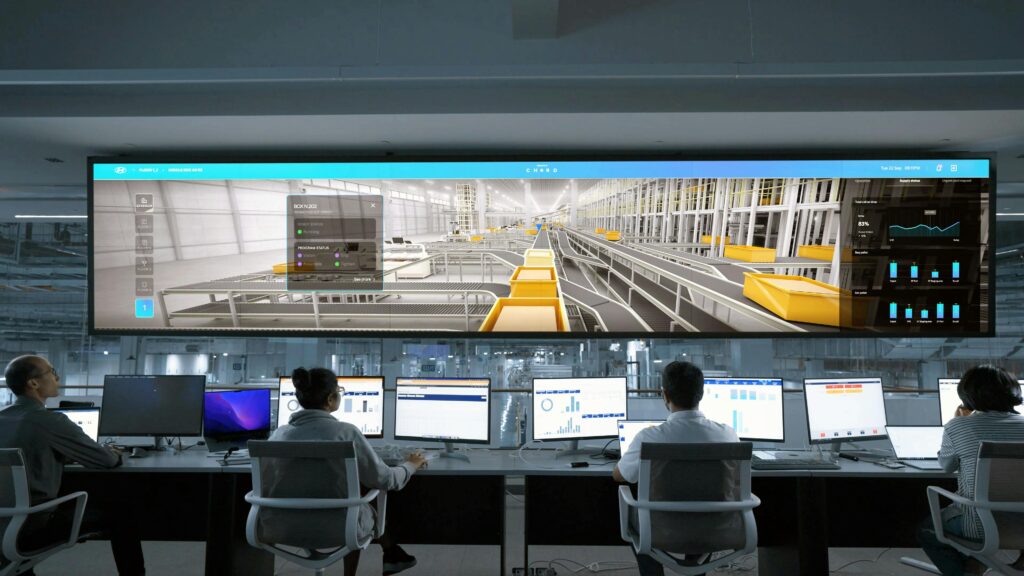
Beyond manufacturing, many industries depend on automated control systems.
Energy Production
Power plants use control technology to manage electricity generation and distribution.
These systems help maintain a stable energy supply while improving efficiency.
Oil and Gas Industry
Control systems regulate drilling operations, pipeline pressure, and refinery processes.
Water Treatment Facilities
Automated systems monitor water quality and control purification processes to ensure safe drinking water.
Positive Impacts of Control Technology
Understanding what control technology is used for also means recognizing its many benefits.
Increased Efficiency
Automated systems can operate continuously with minimal interruptions.
Improved Accuracy
Machines perform tasks with greater precision than manual processes.
Enhanced Safety
Control systems can detect dangerous conditions and respond immediately.
Lower Costs
Automation often reduces labor expenses and minimizes waste.
Better Productivity
Businesses can produce more goods and services in less time.
Negative Impacts of Control Technology
While the advantages are significant, there are also some challenges.
High Initial Investment
Installing advanced control systems can be expensive.
Job Displacement Concerns
Automation may reduce demand for certain manual jobs.
Technical Complexity
Businesses often require specialized staff to operate and maintain control systems.
Cybersecurity Risks
Connected systems can become targets for cyberattacks if not properly secured.
Organizations can learn more about industrial automation standards through resources provided by NIST (National Institute of Standards and Technology), one of the world’s most respected technology authorities.
The Future of Control Technology
The future of control technology looks promising as new innovations continue to emerge.
Several technologies are driving further advancements:
- Artificial Intelligence (AI)
- Machine Learning
- Internet of Things (IoT)
- Autonomous Vehicles
- Smart Factories
- Advanced Robotics
These developments will make control systems even more intelligent and capable of handling complex tasks with greater efficiency.
As automation expands across industries, demand for skilled professionals and advanced control solutions will continue to grow.
Conclusion
So, what is control technology used for? It is used to monitor, regulate, and automate systems across industries such as manufacturing, healthcare, transportation, energy, and smart home technology. By combining sensors, controllers, and actuators, control technology improves efficiency, safety, productivity, and accuracy.
Although challenges such as implementation costs and cybersecurity concerns exist, the benefits far outweigh the drawbacks. As technology continues to evolve, control systems will become even more important in shaping the future of industries and everyday life.
If you’re interested in automation, engineering, or emerging technologies, now is the perfect time to explore how control technology is transforming the world around us.