



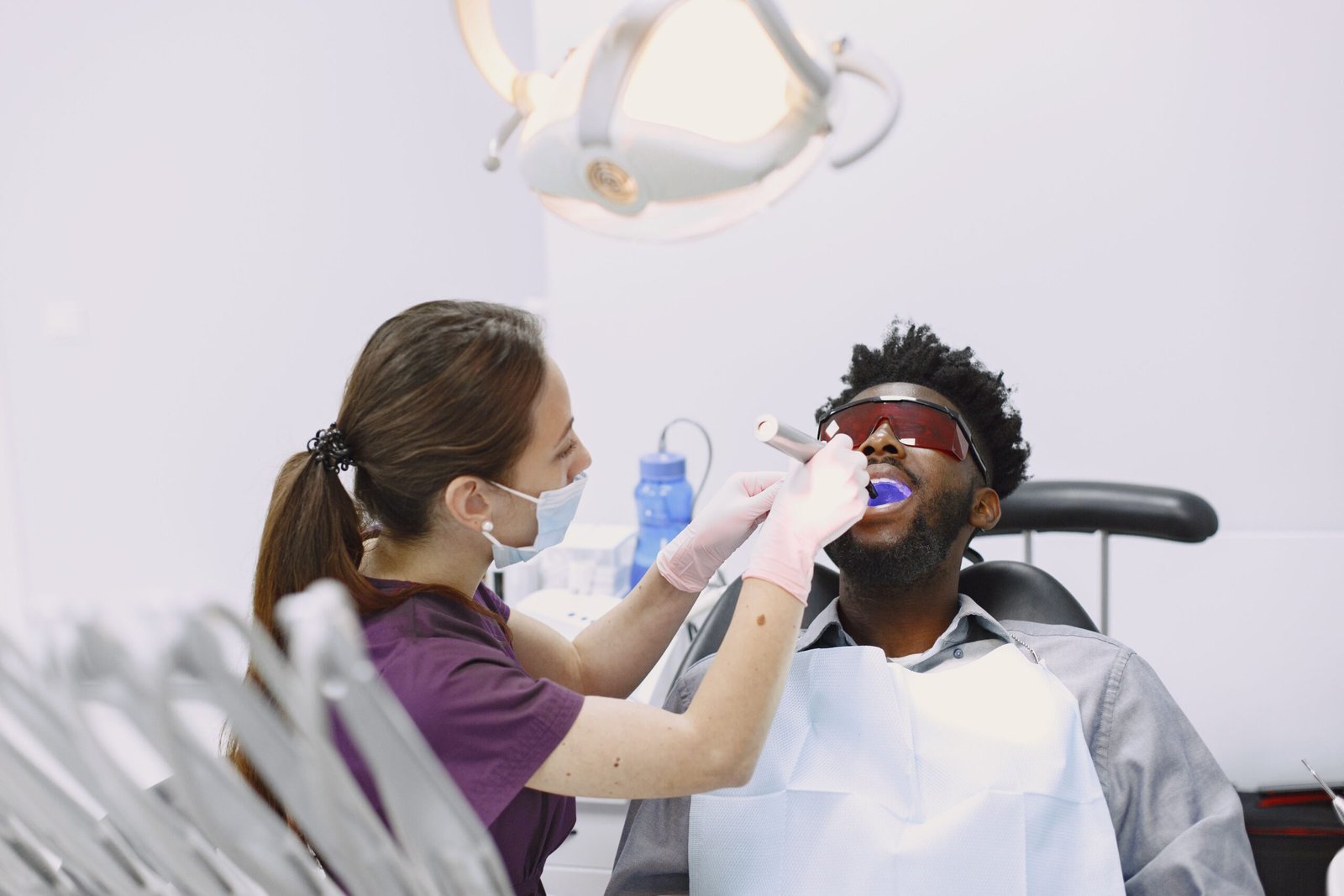
Dental insurance for small business is a valuable employee benefit that can help companies attract skilled workers, improve job satisfaction, and support better oral health. Small businesses may have limited budgets, but offering affordable dental coverage can make them more competitive when hiring and retaining employees. By choosing the right plan, employers can provide meaningful benefits while keeping business expenses manageable.
Understanding available coverage options, costs, and employee needs is essential before selecting a policy. With the right approach, small business owners can build a benefits package that supports their teams and contributes to long-term business growth.
Why Dental Insurance for Small Business Is Important
Small businesses depend on motivated employees to maintain productivity and deliver quality services. Providing dental benefits shows employees that their well-being matters and can make a company more attractive to potential candidates.
Dental problems can cause discomfort, require unexpected expenses, and sometimes affect an employee’s ability to concentrate at work. Access to routine dental examinations and preventive care may help employees identify oral health concerns before they become more complicated.
Dental benefits can also help employers compete with larger organizations that offer comprehensive employee packages. According to the American Dental Association’s guidance on employee dental benefits, employers can explore how dental coverage may fit into their employee benefits strategy.
For small companies, the goal is to provide practical coverage that employees appreciate without placing unnecessary pressure on the business budget.
How Dental Insurance for Small Business Works
Dental insurance generally helps pay for eligible dental services according to the policy’s terms. A small business can purchase a group dental plan and decide whether to cover the entire premium or share the cost with employees.
Some companies offer dental insurance as part of a wider employee benefits package, while others provide voluntary plans that employees can choose to purchase.
Before selecting coverage, employers should understand several important terms:
- Premium: The regular amount paid to maintain insurance coverage.
- Deductible: The amount an employee may need to pay before certain benefits apply.
- Coinsurance: The percentage of an eligible treatment cost paid by the employee.
- Annual maximum: The maximum amount the insurance company will pay for covered dental services during the plan year.
- Waiting period: The time employees may need to wait before certain benefits become available.
- Provider network: The dentists and dental clinics that participate in the insurance plan.
Understanding these details helps employers compare policies accurately and explain the available benefits to their teams.
Types of Dental Insurance for Small Business
Different dental insurance plans offer different levels of flexibility, provider access, and affordability. Comparing the main options can help business owners find suitable coverage.
PPO Dental Insurance for Small Business
A Preferred Provider Organization (PPO) plan allows employees to visit dentists within a network and may also provide partial coverage for out-of-network services. Employees generally pay less when they choose participating providers.
PPO plans may suit businesses that want to offer employees greater freedom when selecting a dentist. However, premiums, deductibles, and out-of-pocket costs vary by policy.
DHMO Plans for Small Business Dental Insurance
A Dental Health Maintenance Organization (DHMO) plan typically requires employees to use participating dentists and may require them to select a primary dental provider. These plans can offer lower premiums, but employees may have fewer choices when accessing dental care.
A DHMO plan may be appropriate for a business focused on affordability, provided its provider network meets employees’ needs.
Preventive Coverage in Small Business Dental Plans
Preventive dental coverage may include routine examinations, cleanings, and eligible diagnostic services. Regular dental visits can help identify potential problems and support better oral hygiene.
Coverage depends on the policy, so employers should check whether basic treatments, major procedures, and other services are included. They should also review waiting periods and annual benefit limits before making a decision.
Key Benefits of Dental Insurance for Small Business
Offering dental insurance can benefit employees and employers in several ways.
1. Improved employee satisfaction
Employees value benefits that help them manage healthcare expenses. Dental coverage can make a workplace more appealing and demonstrate that the employer cares about staff well-being.
2. Better recruitment and retention
Small businesses may find it challenging to compete with larger companies for experienced workers. A useful dental benefits package can help attract candidates and give current employees another reason to stay.
3. Access to preventive dental care
Routine examinations and cleanings can help identify oral health concerns earlier. Depending on the policy, preventive services may be covered at a high percentage, although plan rules and eligibility requirements still apply.
4. More manageable dental expenses
Dental treatment can be expensive without insurance. A suitable policy may reduce employees’ eligible out-of-pocket expenses, but deductibles, coinsurance, exclusions, and annual maximums should be considered.
5. A more competitive benefits package
Dental coverage can complement other benefits, such as medical insurance, paid leave, and retirement plans. Together, these offerings can help small businesses create a more supportive work environment.
How to Choose the Best Dental Insurance for Small Business
Choosing the right dental insurance requires more than selecting the plan with the lowest monthly premium. Business owners should consider affordability, coverage, and employee preferences.
Start by establishing a realistic budget. Decide how much the company can contribute toward each employee’s premium without affecting essential operating costs. Then compare several insurance providers to understand the available options.
Next, review covered services. Check whether routine cleanings, examinations, fillings, crowns, and other common procedures are included. Pay attention to waiting periods, exclusions, deductibles, and annual maximums.
Provider access is equally important. A low-cost policy may be less useful if employees cannot easily find participating dentists near their homes or workplaces.
Finally, consider the administrative requirements, enrollment process, renewal conditions, and eligibility rules. A licensed insurance broker can help explain policy differences and identify plans that fit the company’s needs.
Dental Insurance for Small Business and Long-Term Planning
Employee benefits should be considered as part of a company’s broader business strategy. As a business grows, its workforce, expenses, and responsibilities may change. Reviewing dental coverage regularly helps employers keep their benefits aligned with employee needs and financial goals.
Planning for the future also involves preparing for leadership changes and maintaining business continuity. Employers can learn more about business succession planning and how preparing for future transitions can support a company’s long-term stability.
By reviewing employee benefits alongside other business priorities, owners can make more informed decisions about sustainable growth.
Common Mistakes to Avoid When Selecting Dental Coverage
One common mistake is choosing a policy based only on its premium. Lower-cost plans may have limited provider networks, lower annual maximums, or less coverage for certain treatments.
Another mistake is overlooking exclusions and waiting periods. Employees may assume a procedure is covered immediately, only to discover that additional requirements apply.
Business owners should also avoid assuming that all dental insurance policies provide the same benefits. Coverage percentages, provider rules, and out-of-pocket expenses can differ significantly.
Clear communication is essential. Explain the available coverage, employee contributions, and potential costs before enrollment. This helps employees understand their benefits and make informed decisions.
Conclusion
Dental insurance for small business can be a practical way to support employee well-being, strengthen recruitment efforts, and improve a company’s overall benefits package. The right policy balances affordable premiums with useful coverage, accessible providers, and manageable out-of-pocket expenses.
By comparing different plans, reviewing employee needs, and evaluating costs carefully, small business owners can select coverage that fits their budget. Regularly reviewing the policy as the business grows can also help ensure that employee benefits remain relevant and sustainable.