



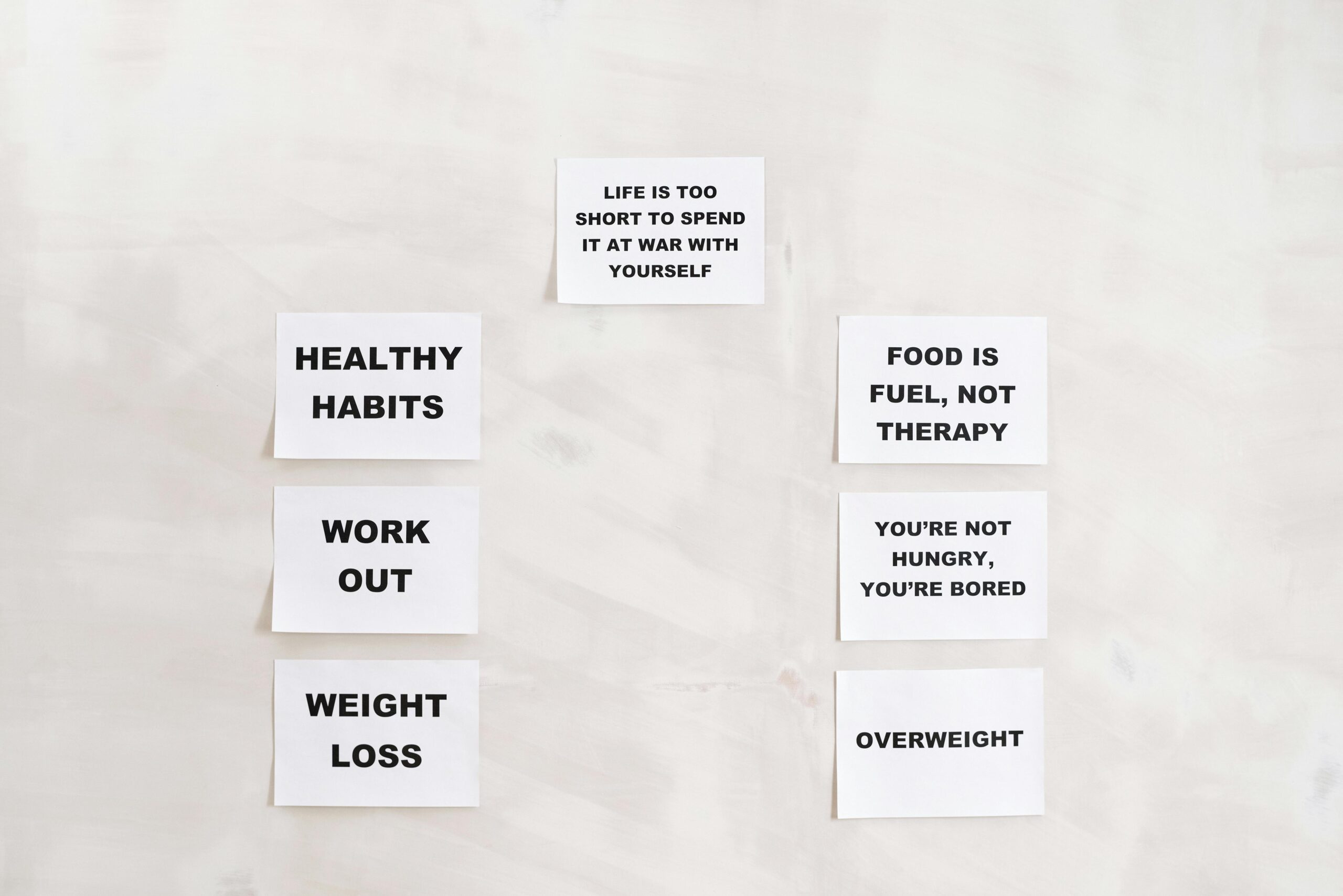
What is a change in lifestyle? It’s the process of implementing long-term changes to your routines, behavior, habits and routines in order to improve the overall wellbeing of your. In contrast to solutions that provide immediate results, lifestyle modifications concentrate on practices that will positively impact your wellbeing, happiness and overall quality of life for a long time to be.
Many people adopt lifestyle changes to reduce weight, increase fitness levels, decrease anxiety, or find more balance between work and life. In certain instances lifestyle changes could be a matter of changing the way they shop and clothing choices as well as everyday routines. For instance, people who are who are interested in comfortable shoes and trends in fashion often look through sources on what constitutes the best lifestyle shoes while pursuing healthier and more active lives.
The main difference between a change in lifestyle and a temporary change is the consistency. A real lifestyle change is an everyday part of your life instead of something you undertake for a short period of time.
What Is a Lifestyle Change and Why Is It Important?
If you are pondering what constitutes an improvement in lifestyle you should realize that it is a matter of making informed decisions that help longevity and personal growth.
Lifestyle changes can affect a variety of aspects of our lives, such as:
- Physical health
- Mental well-being
- Balance of emotions
- Productivity
- Relationships
- Personal development
Consistently practicing positive habits can will result in substantial gains in time.
Common Examples of Lifestyle Changes
There are many ways to enhance your life. The most beneficial changes are ones that align with your goals and are able to be maintained in the long run.
Healthier Eating Habits
Nutrition plays an important aspect in general health. Common dietary lifestyle changes include:
- Consuming more fruits and vegetables
- Reduce the amount of processed food
- Drinking more water
- Restricting the consumption of sugary drinks
- Selecting balanced meals
A few small changes to your diet can have lasting health benefits.
Regular Physical Activity
Exercise is among the most beneficial life-style changes one can take.
Examples include:
- Walking daily
- Running
- Cycling
- Swimming
- Training for strength
- Yoga
Regular exercise helps improve physical fitness, while also improving mental health.
Better Sleep Habits
A good night’s sleep is vital to recuperation and for performance.
Healthy sleeping habits comprise:
- Maintaining a consistent bedtime
- Avoiding screens prior to bed
- Making a relaxing and comfortable sleep space
- The consumption of caffeine should be limited later in the day
Sleeping better can help improve mood, focus and levels of energy.
Effective Stress Management
Controlling stress is a key life-style improvement.
Strategies that can be helpful include:
- Meditation
- Deep breathing exercises
- Outdoor activities
- Practicing hobbies
- Maintaining social connections
Reduced stress can support physical and mental health.
Positive Impacts of Lifestyle Changes
Making lifestyle changes that are positive can bring many advantages.
Improved Physical Health
Good habits can help reduce the chance of
- Heart disease
- High blood pressure
- Obesity
- Type 2 diabetes
- Certain chronic diseases
Regular exercise and a healthy diet can significantly improve your overall health over time.
Better Mental Health
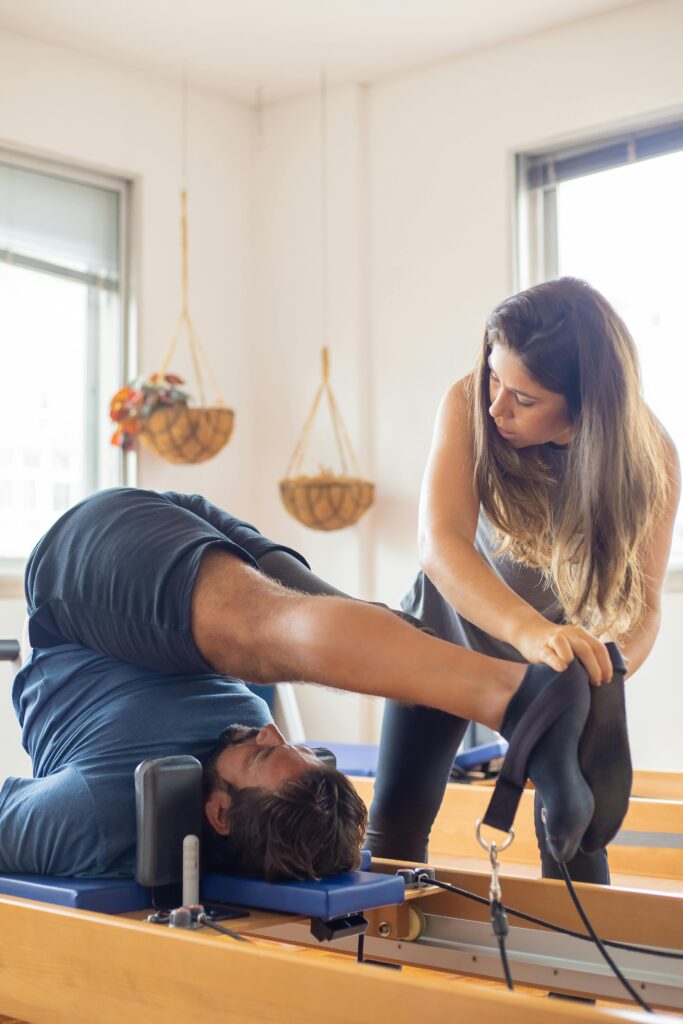
Changes in lifestyle can help improve mental health through:
- Reduce anxiety
- Lowering stress levels
- An improvement in mood
- Growing confidence
- Strengthening emotional resilience
- Many people experience the benefits of mental health before they see physical effects.
Increased Energy and Productivity
Healthy habits are often the cause of:
- Greater concentration
- Improvement in work performance
- Higher energy levels
- More motivation
This could have a positive impact on both the professional and personal lives.
Stronger Relationships
Stress-free people who are able to manage it efficiently and have an active lifestyle are often able to enjoy better communication and more positive personal relationships.
Negative Impacts and Challenges of Lifestyle Changes
While lifestyle changes can provide numerous benefits but the process can be difficult.
Initial Discomfort
It can be uncomfortable initially. Modifications to eating habits as well as exercise routines and regular schedules may require adjustment.
Lack of Motivation
Many people are strong at first but struggle to keep their momentum as time passes.
Time Commitment
Healthy habits require planning and commitment. Finding time to exercising, meal preparation or self-care can be challenging.
Temporary Setbacks
It’s not always easy to make progress. Poor nutrition, a poor workout or periods of stress can hinder the pace of improvement. However the setbacks are an inevitable element of the long-term process of improvement.
Understanding the challenges can help people remain realistic and dedicated.
How to Successfully Make a Lifestyle Change
Start with the smallest Goals
Big changes can seem overwhelming. Instead, concentrate on smaller steps.
For instance:
- Take 20 minutes to walk every day
- Drink more water
- Include one serving of vegetable in each meal.
Small wins build momentum.
Create a Routine
Consistency is the key to lasting outcomes.
Organising healthy activities can make it easier to sustain them and becomes a habit as time passes.
Track Your Progress
Tracking your progress can help maintain your motivation.
You can follow:
- Exercise sessions
- Water intake
- Sleep quality
- Weight goals
- Personal highlights
Progress tracking can provide valuable feedback and encourages.
Build a Support System
Family members, friends, or accountability partners may provide motivation and assistance all the way.
Signs Your Lifestyle Change Is Working
You might notice improvements for example:
- Better Sleep
- More energy
- Better mood
- Stress reduction
- Improved fitness
- Greater confidence
The positive signs usually appear gradually, and signify that your efforts pay off.
Why Consistency Matters More Than Perfection
One of the most commonly held misconceptions regarding changing lifestyles is the notion that perfection is the goal.
In the real world, consistency is important more than perfect. Regularly practicing healthy habits will yield more long-term benefits than extreme efforts that are not sustained.
Small daily actions can result in important improvement over time.
Conclusion
What is a change in lifestyle? It’s a commitment to improve routines, habits and habits that promote improved physical and mental health and overall well-being. Although the process could be fraught with difficulties such as commitments to time as well as motivational struggles and occasional setbacks, the lasting benefits are usually life-changing.
Focusing on making small, regular changes, anyone can develop healthier habits that will last. If you’re looking to make improvements in your routine every day, begin by making a small alteration today, and then build from there. If you’re looking for additional information about health and wellness tips trustworthy resources like the guidelines for healthy living of the CDC can offer important information and guidance.